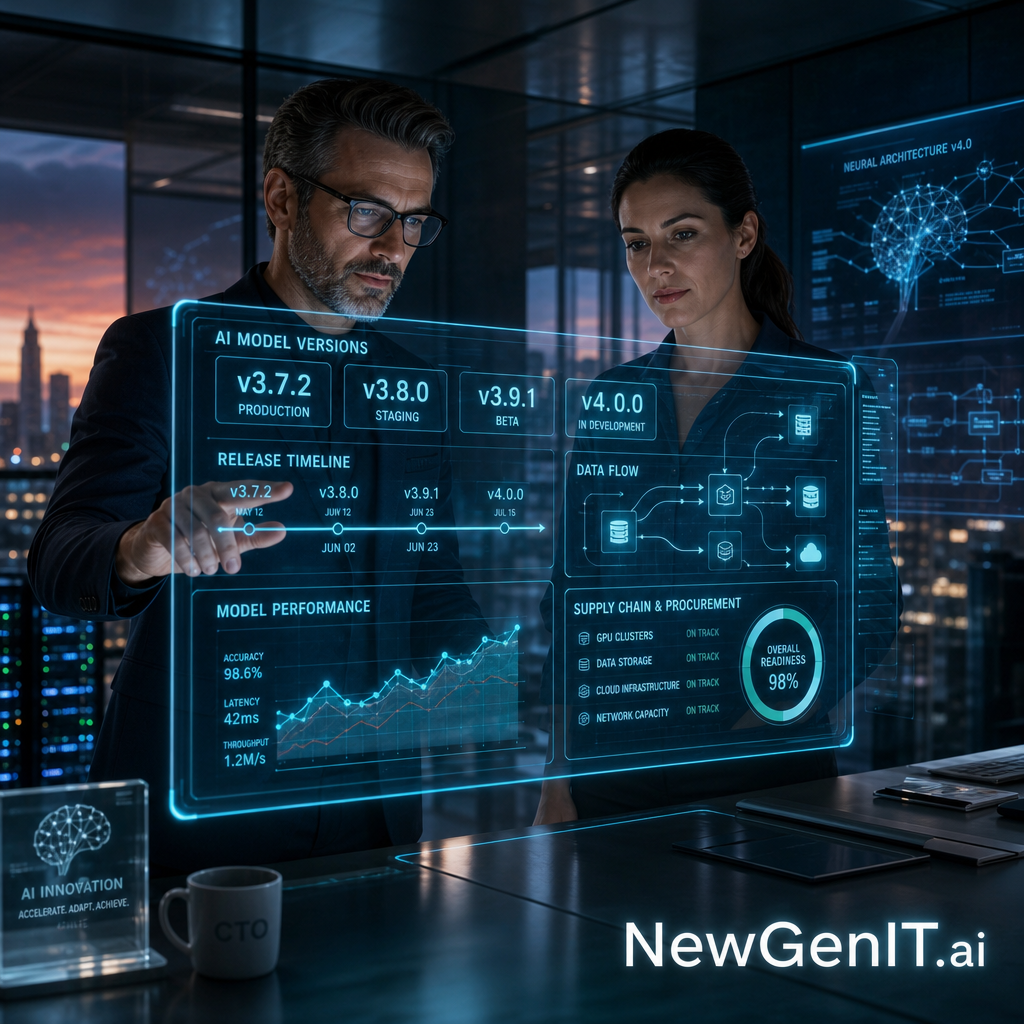
The AI revolution is intensifying with a pace of innovation that has transformed how organisations deploy, manage, and leverage artificial intelligence models. The once traditional cadence of AI model updates, which used to happen every few years, has evolved into a rapid release cycle with multiple updates per year, and sometimes multiple versions within a few months. This acceleration in the model release cycle presents distinct challenges and opportunities for businesses, particularly in South Africa where local market realities , from load-shedding and POPIA compliance to economic constraints and digital infrastructure , shape technology decision-making.
The Drivers Behind Accelerated AI Model Releases
The speed of AI advancement is driven by several synergistic factors. First, advances in hardware technology , including GPUs and cloud infrastructure , have dramatically reduced the training times required for models. South African enterprises accessing local cloud service providers or global hyperscalers like AWS and Azure benefit from these infrastructure gains, although bandwidth constraints during load-shedding often challenge seamless connectivity.
Second, the explosion in data availability from digitised processes, social media, and IoT devices globally and locally has empowered AI developers with richer training datasets. This is vital for improving model accuracy and utility. Finally, continuous improvements in AI algorithms and architectures enable more efficient training and deployment, enabling providers to release new model versions that deliver improved performance and enhanced capabilities with greater frequency.
Competition among AI vendors further fuels this rapid release cadence. The strategic imperative to lead in innovation compels providers to push updates that include not only enhanced features but essential security patches and regulatory compliance updates aligned with frameworks like POPIA in South Africa.
Impact on South African Businesses Locked into Single Providers
For many South African enterprises, especially those in sectors such as banking, telecommunications, and retail concentrated in hubs like Sandton, Cape Town, and Durban, locking into a single AI vendor might appear simpler due to streamlined contracts and consolidated invoice management. However, accelerated release cycles introduce significant complexity.
- Integration Complexity: Each new AI model version often requires adjustments to integration pipelines, APIs, and workflows. Rapid releases can overwhelm internal teams, particularly when factoring in downtimes caused by local power outages and connectivity issues.
- Vendor Lock-in Risk: Solutions optimised deeply for one provider’s ecosystem limit the organisation’s flexibility to switch or integrate alternative providers without high switching costs, often expressed in millions of Rands when considering internal labour and external consultancy.
- Compliance and Security Risks: With accelerated releases, ensuring timely security tests and POPIA-compliant data handling practices becomes challenging, risking non-compliance penalties under South Africa’s stringent data privacy laws.
Balancing Agility with Strategic Vendor Management
To navigate these risks, South African CIOs and procurement leads must strike a balance between embracing AI innovation agility and maintaining strategic vendor relationships. Some practical steps include:
- Implement Modular Architectures: Design AI solutions with modularity, enabling components to be swapped or upgraded independently, reducing dependencies on a single provider.
- Adopt Multi-Provider Strategies: To mitigate vendor lock-in, use a mix of AI providers either by workload, use case, or region. For instance, a Cape Town bank might leverage one provider for NLP services and another for image recognition, balancing capabilities and risk.
- Negotiate Flexible Contracts: Assess and include clauses that address accelerated release timelines, ensuring SLA adjustments, cost implications, and support structures align with faster deployment cycles.
Local Market Realities: How South African Conditions Influence AI Procurement
South Africa’s unique economic and infrastructural landscape adds layers of complexity to managing AI innovation cycles. The persistent load-shedding affects data centre operations and cloud service availability, requiring businesses to invest in hybrid solutions that combine local on-premises infrastructure with cloud AI services to maintain continuity.
The impact on budgets cannot be overstated. IT budgets in South Africa are often constrained, with many companies operating within a tight rand-based capital envelope. Rapid AI model deployments may necessitate unexpected re-allocation of funds for integration, staff training, or infrastructure upgrades.
Furthermore, adherence to POPIA demands constant vigilance with new AI releases. Procurement teams must ensure that any AI model update complies not just with performance benchmarks but also with data privacy and security requirements , a factor less pressing in other global markets.
Leveraging AI Innovation for Competitive Advantage in South Africa
Despite these challenges, the accelerated release cycle is a clear opportunity for South African businesses that manage it well. The ability to quickly access superior AI functionalities allows organisations to innovate rapidly , improving customer experience, automating workflows, and gaining deeper business insights.
For example, a Durban-based logistics company integrating updated AI models faster into their software platforms can optimise route planning and inventory forecasting with better precision, resulting in cost savings of up to 15% in fuel and storage , critical margins in a highly competitive market.
Similarly, Johannesburg financial services firms utilising up-to-date AI tools can enhance fraud detection and risk analysis, reducing losses significantly. The economic benefit of keeping pace with AI innovation often outweighs the costs and risks when managed with a strategic approach.
Practical Takeaways for IT Leaders and Procurement Teams
- Invest in Skills and Training: Ensure your IT teams are equipped to handle frequent AI model updates, including testing for integration, security, and compliance.
- Optimize Infrastructure for Reliability: Factor in redundancies and power backup solutions to counter local load-shedding when deploying AI workloads.
- Conduct Continuous Vendor Assessments: Regularly evaluate AI partners not just on performance but on transparency about release cycles, support readiness, and alignment with South African regulatory requirements.
- Foster Innovation Partnerships: Engage with innovative local AI firms and technology hubs in major cities as part of a diversified AI strategy.
Conclusion: Future-Proofing AI Investments Amid Accelerated Releases
The acceleration of AI model release cycles represents a paradigm shift that South African businesses cannot afford to ignore. CTOs and procurement specialists must develop agile procurement strategies, embrace flexible vendor management, and carefully consider local market dynamics to leverage the full benefit of this rapid innovation wave.
Proactive planning and execution will result in AI deployments that not only keep pace with global trends but also align with South Africa’s unique economic, infrastructural, and regulatory landscape , ultimately driving sustainable competitive advantage.
Discussion Question
How is your organisation adapting to manage the rapid AI model innovation cycle, especially within the constraints of South Africa’s local market? What strategies have proven effective in balancing agility, vendor risk, and compliance? Share your experiences and insights below.
