
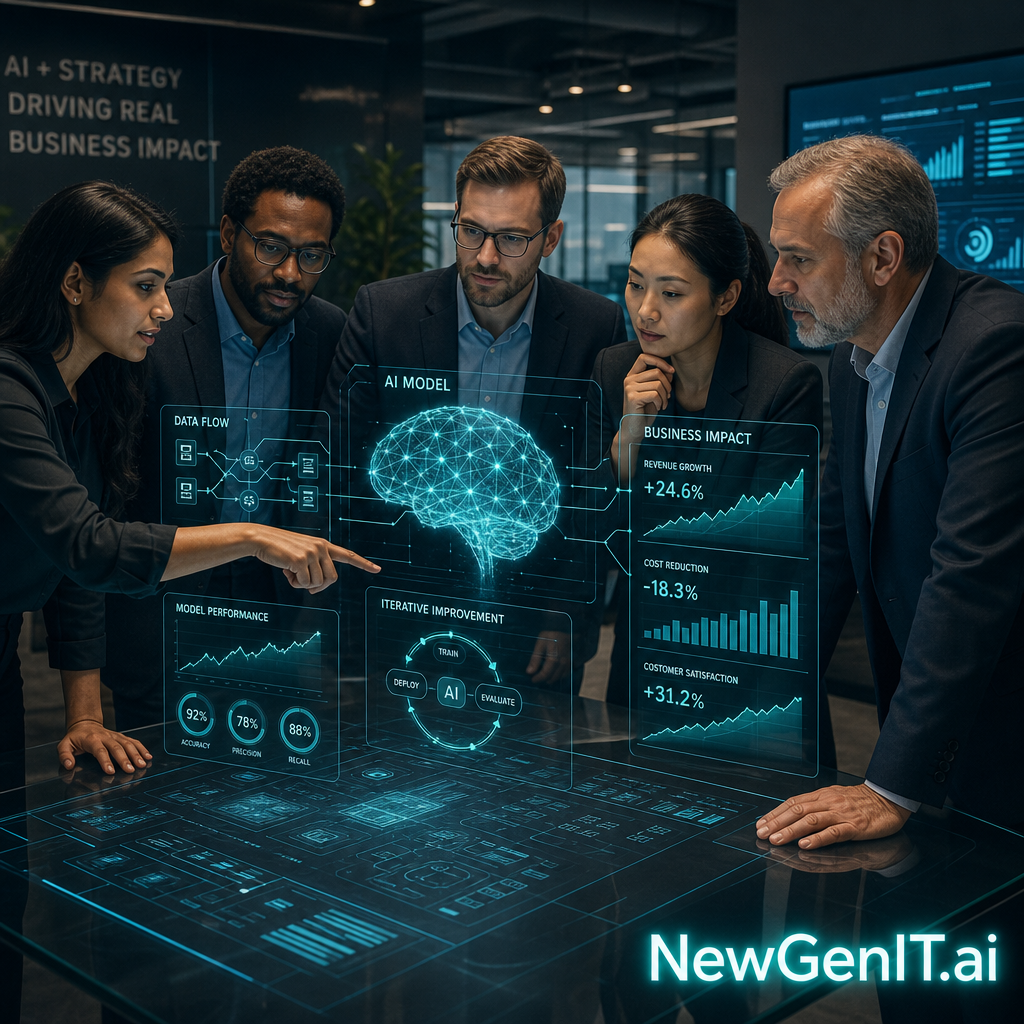
In South Africa's rapidly evolving technology landscape, integrating Artificial Intelligence (AI) into business processes is more than just an option , it’s becoming a necessity for companies aiming to maintain competitive advantage. However, the way AI is deployed can significantly influence its success. One of the newest, and most effective, approaches in this space is Embedded Forward Deployed AI Engineering (FDAIE).
Embedded FDAIE is not simply about developing AI models remotely and pushing them into production. It refers to AI engineers working directly alongside business units, whether in Sandton, Cape Town, or Durban, deeply embedded within operations teams to create tailored, contextual AI solutions. This article unpacks what this means for South African IT leaders, engineers, and business decision-makers, and why this approach changes everything about deploying AI effectively.
Understanding Embedded Forward Deployed AI Engineering
Traditional AI implementation often involves centralized data science teams working in isolation, distant from the actual business challenges the organisation faces. This separation can create solutions that are technically sound but misaligned with actual business needs, resulting in suboptimal return on investment (ROI).
Embedded FDAIE flips this model by placing AI engineers inside the core operational units, sitting shoulder to shoulder with domain experts, business analysts, and frontline staff. This proximity facilitates tighter collaboration, faster feedback loops, and continuous improvement of AI models based on real-world input.
For instance, in a South African retail chain facing supply chain disruptions exacerbated by load-shedding, an embedded AI team can work directly with logistics and inventory managers to create dynamic forecasting tools that adapt to power outages and fluctuating demand in real-time. This level of integration enables solutions that traditional remote AI teams may miss.
Why South African Businesses Must Embrace Embedded FDAIE
South Africa’s unique economic and regulatory environment presents specific challenges and opportunities for AI deployment. From load-shedding, compliance with the Protection of Personal Information Act (POPIA), to fluctuating currency values and logistical complexities, AI must be contextualised to these conditions to be effective.
Embedded AI engineers bring invaluable local context to the table, crucial for:
- Rapid adaptation: AI systems can be adjusted quickly to external disruptions like load-shedding schedules affecting production.
- Compliance: Ensuring AI solutions align firmly with POPIA and other regulatory demands through close cooperation with legal and compliance teams.
- Cost-effectiveness: Practical optimisation of AI outcomes with an understanding of local market dynamics and budget constraints, avoiding wasted infrastructure or ineffective models.
For example, a financial services company in Johannesburg leveraging embedded AI engineering could continuously update fraud detection algorithms based on emerging tactics targeted at South African consumers, combining machine learning expertise with frontline fraud analysts’ insights.
The Operational Impact: Metrics and ROI of Embedded FDAIE
Data from international studies, including reports by McKinsey & Company, show that organisations employing embedded AI engineers in business functions achieve up to 25% higher ROI on AI initiatives. South African enterprises are already showing promising signs of similar outcomes where forward deployed AI teams are embedded.
In practical terms, this can mean:
- Revenue Growth: South African mining businesses using embedded AI to optimise resource extraction and equipment maintenance have reported revenue growth improvements of 15-25% within the first year of deployment.
- Cost Reduction: Companies experiencing operational cost reductions of 10-20% by realigning AI workflows with on-ground realities like energy cost variability and fluctuating supply chain logistics.
- Customer Satisfaction: Retailers in Durban and Cape Town using embedded AI-driven customer interaction models report up to a 30% increase in customer satisfaction scores through personalised, timely service.
Embedding AI engineers facilitates iterative improvement cycles that directly respond to performance insights, driving continuous operational efficiency and sustained ROI.
Breaking Down Silos: Collaboration as a Catalyst for Innovation
The embedded approach dismantles the traditional silos that separate AI teams from business units. This is especially pivotal in South African companies where departments often operate in fragmented ways due to legacy systems and varied skill levels.
By fostering cross-disciplinary teams that include AI engineers, business analysts, compliance officers, and operations managers, embedded FDAIE encourages a culture of shared ownership. This ensures AI solutions are not just technically feasible but incorporate end-user requirements and regulatory constraints from conception to deployment.
For example, a Durban-based logistics firm integrated AI engineers with regional fleet managers, enabling real-time data sharing on vehicle status, road conditions, and customs clearance times, reducing delivery delays by 18%. This would have been difficult to achieve without the embedded model facilitating constant, direct dialogue.
Challenges and Practical Considerations for Embedding AI in South Africa
While the benefits are clear, embedding AI engineers within business units isn’t without challenges:
- Talent scarcity: South Africa’s AI talent pool is growing but still limited, especially for roles that require deep domain knowledge and AI expertise. Companies must invest in targeted training and partnerships.
- Infrastructure limitations: Persistent load-shedding and inconsistent internet access affect real-time data processing and cloud access, requiring hybrid models or onsite solutions.
- Change management: Embedding AI requires leadership commitment to cultural change, breaking down traditional hierarchical decision-making and incentivising collaboration.
Pragmatically, organisations might start with pilot projects in key departments, such as customer support or supply chain, to demonstrate value before wider rollout.
Steps to Successfully Embed AI Engineers and Drive Business Impact
For South African IT leaders and decision-makers, a strategic approach to embedding AI is critical. Key steps include:
- Identify high-impact business units: Target areas where AI can solve pressing challenges and where domain experts are open to collaboration.
- Recruit hybrid-skilled engineers: Focus on candidates who combine technical AI skills with business acumen and communication ability.
- Establish cross-functional teams: Create structures that encourage continuous interaction between AI engineers and business stakeholders.
- Invest in infrastructure resilience: Mitigate load-shedding impact with UPS systems, edge computing, or local data centres in major hubs like Johannesburg and Cape Town.
- Prioritise compliance and ethics: Ensure AI engineers are embedded with legal/compliance teams to address POPIA requirements continuously.
- Measure and iterate: Implement robust KPIs to evaluate operational impact, refine models, and share successes across the organisation.
South African companies that follow these steps can accelerate innovation cycles and harness AI to fundamentally transform their operations.
Conclusion: Are You Ready to Embed AI Forward?
The embedded AI engineering model fundamentally changes how organisations approach AI deployment, aligning models tightly with business needs and ensuring adaptability in a fast-changing environment. For South African businesses battling challenges like load-shedding and stringent data privacy laws, embedded Forward Deployed AI Engineering offers a pathway to significantly enhanced operational performance and strategic agility.
The question remains: How prepared is your leadership team to embed AI deeply within your culture and operations to unlock its true potential?
We invite South African IT leaders, engineers, and business decision-makers to reflect on your AI strategies. Are you ready to embed AI forward? How are you approaching this shift, and what challenges do you foresee?
Share your insights and experiences below.