In South Africa’s evolving digital landscape, cybersecurity leaders face unique challenges. Among these, the adoption of artificial intelligence (AI) to safeguard enterprises is particularly critical. However, the prevalent AI agency model, where vendors deliver generic, off-the-shelf solutions, often falls short of addressing the intricate, local realities of organisations. Forward Deployed AI Engineering (FDAI) is emerging as a revolutionary approach, embedding specialized AI talent directly within businesses to co-develop adaptive, context-aware security solutions.
This article delves into the distinct advantages FDAI offers, particularly for South African Chief Information Security Officers (CISOs) tasked with protecting digital assets amid persistent cyber threats, regulatory compliance under frameworks like POPIA, and challenges such as load-shedding that affect IT infrastructure stability.
Challenges with Traditional AI Agency Models in South Africa
Conventional AI agencies operate primarily as external vendors. They deploy pre-designed tools and provide recommendations based largely on generic use cases. This approach raises several issues in the South African context:
- Lack of Contextual Understanding: Generic AI models often fail to account for local cyber threat patterns, such as sophisticated phishing campaigns exploiting poorly secured endpoints during load-shedding outages.
- Data Sovereignty and Compliance Concerns: Under the Protection of Personal Information Act (POPIA), how and where data is processed is crucial. Traditional agencies may rely on cloud solutions hosted abroad, risking non-compliance and exposing sensitive data.
- Rigid Delivery Models: AI solutions deployed as one-off projects miss the dynamic nature of cybersecurity threats, leading to outdated safeguards and ineffective threat responses.
- Limited Collaboration: The remote, transactional relationship denies the deeper integration needed for continuous optimisation and strategic alignment with business goals.
The Forward Deployed AI Engineering Approach Explained
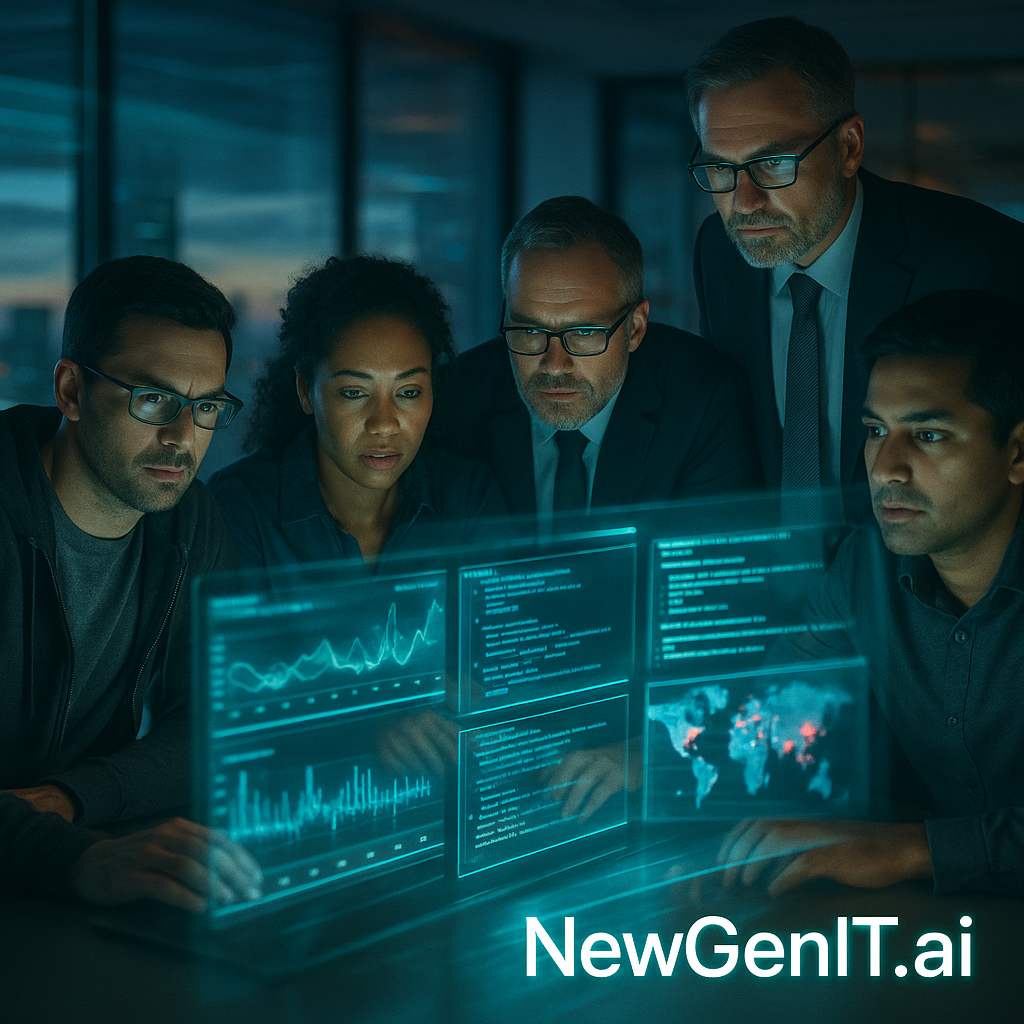
FDAI fundamentally shifts the paradigm by embedding AI engineers directly within the client’s operational environment, be it a financial institution in Sandton, a manufacturing hub in Durban, or an enterprise headquarters in Cape Town. These engineers become part of the internal teams, enabling:
- Deep Immersion: AI engineers gain a granular understanding of business processes, cyber risk landscape, infrastructure limitations including power inconsistencies, and workforce challenges.
- Custom AI Development: Solutions are tailored to the organisation’s unique operational context, enabling greater accuracy, faster threat detection, and adaptive learning from real-time data.
- Agile Iteration: Continuous monitoring and adjustments allow AI systems to evolve with emerging threats, regulatory updates, and technological advancements.
- Embedded Collaboration: Developers work closely with security analysts, IT operations, and C-suite leaders ensuring AI initiatives align with strategic priorities and compliance frameworks like POPIA.
Why FDAI Is Critical for South African CISOs
South African CISOs operate under pressures distinct from many global counterparts. Besides advanced cyber threats, they manage regulatory compliance, budget constraints, and infrastructural instability caused by inconsistent electricity supply. FDAI is uniquely suited to address these realities:
- Regulatory Alignment: Embedded teams ensure AI tools respect data residency requirements, integrate with existing governance frameworks, and maintain audit readiness under POPIA.
- Resilience Against Load-Shedding: By understanding power outage schedules and infrastructure impacts, AI systems can be designed for fault tolerance, enabling secure data processing even during Eskom interruptions.
- Cost-Effective Innovation: FDAI eliminates costly misalignments and minimises rework, stretching scarce cybersecurity budgets, often measured in millions of rand, towards higher impact outcomes.
- Faster Threat Response: Co-deployed engineers can implement urgent patches, deploy rapid detection algorithms, and adapt models to new attacker tactics in days rather than months.
Case Study: Implementing FDAI in a South African Financial Institution
A top-tier Johannesburg-based bank recently integrated an FDAI team to tackle increasing phishing and ransomware attacks. Embedding AI engineers in the bank’s security operations centre led to:
- Deployment of customised AI models leveraging local transactional and access logs, reducing false positives by 40%.
- Improved anomalous behaviour detection speed by 60%, crucial in mitigating attacks before significant data exfiltration.
- Seamless compliance with POPIA through on-premises data handling practices designed by the co-located AI team.
- Adaptations to energy disruptions, ensuring continuous monitoring despite load-shedding events.
The bank reported an improved security ROI, calculated as risk mitigated per rand spent, increasing by over 25% within six months.
Practical Steps for South African Organisations to Adopt FDAI
Transitioning from traditional AI service models to FDAI requires strategic planning and commitment. South African enterprises should consider the following:
- Identify Priority Areas: Focus on high-risk cyber domains or critical infrastructure components vulnerable to local conditions like energy instability.
- Engage Trusted Partners: Collaborate with AI engineering firms familiar with South African market nuances, POPIA regulations, and operational realities.
- Develop In-House Capabilities: Facilitate knowledge transfer by embedding AI engineers in operational teams to build internal competencies over time.
- Implement Agile Cycles: Ensure continuous iteration processes are in place, promoting rapid adaptation to emerging threats.
- Invest in Infrastructure Resilience: Augment AI systems with backup power solutions and redundant network paths to mitigate load-shedding impact.
Looking Ahead: The Future of AI in South African Cybersecurity
As AI technologies mature, South African organisations stand at a crossroads. Firms embracing FDAI will gain strategic advantage through bespoke, adaptive cyber defence mechanisms that reflect local risks and regulations. Moreover, with increasing digital transformation in financial sectors, government services, and mining industries, the demand for resilient AI-enabled security will only intensify.
However, success depends on addressing challenges such as talent shortages, cultural buy-in, and investment constraints. By embedding AI engineers within operational teams rather than outsourcing, organisations position themselves not just to react to cyber threats but to pre-empt and neutralise them proactively.
Conclusion and Discussion
Traditional AI agency models often fail to meet the complex, rapidly evolving needs of South African enterprises operating under regulatory pressures and infrastructural challenges. Forward Deployed AI Engineering represents a fundamental shift, embedding expert AI resources directly in client environments to co-create dynamic, contextually precise cybersecurity solutions.
For South African CISOs, this means greater alignment between AI capabilities and organisational needs, enhanced resilience against local risks like load-shedding, and stronger compliance with POPIA mandates. As the cybersecurity landscape becomes more sophisticated, FDAI offers a way to unlock AI’s full potential as a force multiplier rather than a mere vendor service.
How is your organisation integrating AI engineering to address South Africa’s unique cybersecurity challenges? Have you explored or implemented Forward Deployed AI teams, and what impact have you observed? We invite you to share your experiences and insights in the comments below.
