In the rapidly evolving digital landscape, South African businesses are under increasing pressure to adopt advanced technologies that drive innovation, operational efficiency, and competitive advantage. Artificial Intelligence (AI) is at the forefront of this transformation, promising unprecedented opportunities across sectors such as finance, retail, manufacturing, and logistics. However, amidst the excitement around AI adoption lies a critical question: should South African businesses rely on imported, off-the-shelf AI vendor tools, or invest in embedding skilled AI engineers within their organisations? This blog explores why the latter approach is strategically essential for South African enterprises navigating unique market dynamics and regulatory environments.
Understanding the South African Business Context
South Africa’s complex business environment poses distinctive challenges that off-the-shelf AI products often struggle to address effectively. The ongoing issues such as load-shedding, volatile economic conditions with fluctuating rand values, and stringent regulatory requirements like the Protection of Personal Information Act (POPIA) compel companies to tailor technological solutions carefully. For example, power outages can disrupt cloud connectivity and data centre operations, requiring AI systems to be designed with offline resilience and local processing capabilities.
Furthermore, South African cultural and linguistic diversity means that AI models must accommodate nuanced language processing and context-specific behaviour. A generic AI speech recognition tool designed for North American English, for example, may not accurately interpret South African accents or multilingual environments prevalent in cities like Johannesburg and Cape Town.
Why Imported AI Vendor Tools Fall Short
Imported AI vendor tools are often developed with a global or western-centric user in mind. While they provide rapid deployment benefits and reduce upfront investment costs, their limitations become apparent when applied to the South African market:
- Lack of Customisation: Pre-built models typically cannot account for local business workflows, regulatory nuances, or customer behaviour, leading to suboptimal results.
- Compliance Risks: Data privacy laws like POPIA require strict handling of personal information. Imported tools might not be fully compliant or lack the flexibility to integrate with local data governance frameworks.
- Dependence on Unreliable Infrastructure: Many cloud-dependent vendors assume stable internet connectivity, which can be disrupted by load-shedding and limited bandwidth common outside major metropolitan hubs.
- Hidden Costs: Licensing fees, integration expenses, and expensive customisations to force-fit vendor tools to local needs often accumulate, eroding initial cost savings.
These factors underscore that for South African businesses, generic AI vendor tools may not just miss the mark but also introduce operational and financial risks.
The Strategic Value of Embedded AI Engineers
Embedding AI engineers within South African companies offers a viable solution to these challenges. These professionals bring a unique combination of technical expertise and contextual understanding required to adapt, deploy, and continuously improve AI systems in real time. Here’s why they are indispensable:
- Tailored AI Solutions: Skilled engineers can customize models to local languages, data types, and business rules, ensuring that AI outputs are relevant and reliable.
- Regulatory Alignment: Embedded engineers incorporate POPIA compliance and ethical considerations right from the design phase, reducing legal exposure.
- Resilience and Scalability: AI systems are optimized to function despite infrastructural constraints like intermittent power and limited cloud connectivity, ensuring consistent performance in Durban, Sandton, or other urban and rural areas.
- Cost Efficiency: While initial investment in internal AI talent may appear higher, the long-term ROI is significant due to reduced vendor fees, better integration, and ongoing optimisation that off-the-shelf tools cannot provide.
- Innovation and Competitive Edge: Continuous in-house development fosters innovation uniquely attuned to South African market trends and customer expectations.
For example, a South African e-commerce company employing embedded AI engineers can develop recommendation engines that reflect local purchasing patterns during crisis periods like load-shedding or festive seasons, which generic models would fail to predict accurately.
Supporting Resellers and Partners in AI Talent Integration
Resellers and technology partners operating in the South African AI ecosystem can no longer rely solely on product sales. Their value proposition must evolve to include advocacy and enablement around internal AI capacity building. By assisting clients to embed AI engineers, resellers differentiate their offerings and foster deeper, longer-lasting partnerships that go beyond transactional deals.
This approach includes tailored training programs, talent sourcing support, and co-development initiatives aligned with client-specific challenges. For instance, resellers in Sandton can collaborate with universities and coding bootcamps to channel emerging AI talent to clients, while Durban-based firms might focus on developing industry-specific AI frameworks for the manufacturing sector.
Measuring Success: The ROI of Internal AI Capabilities
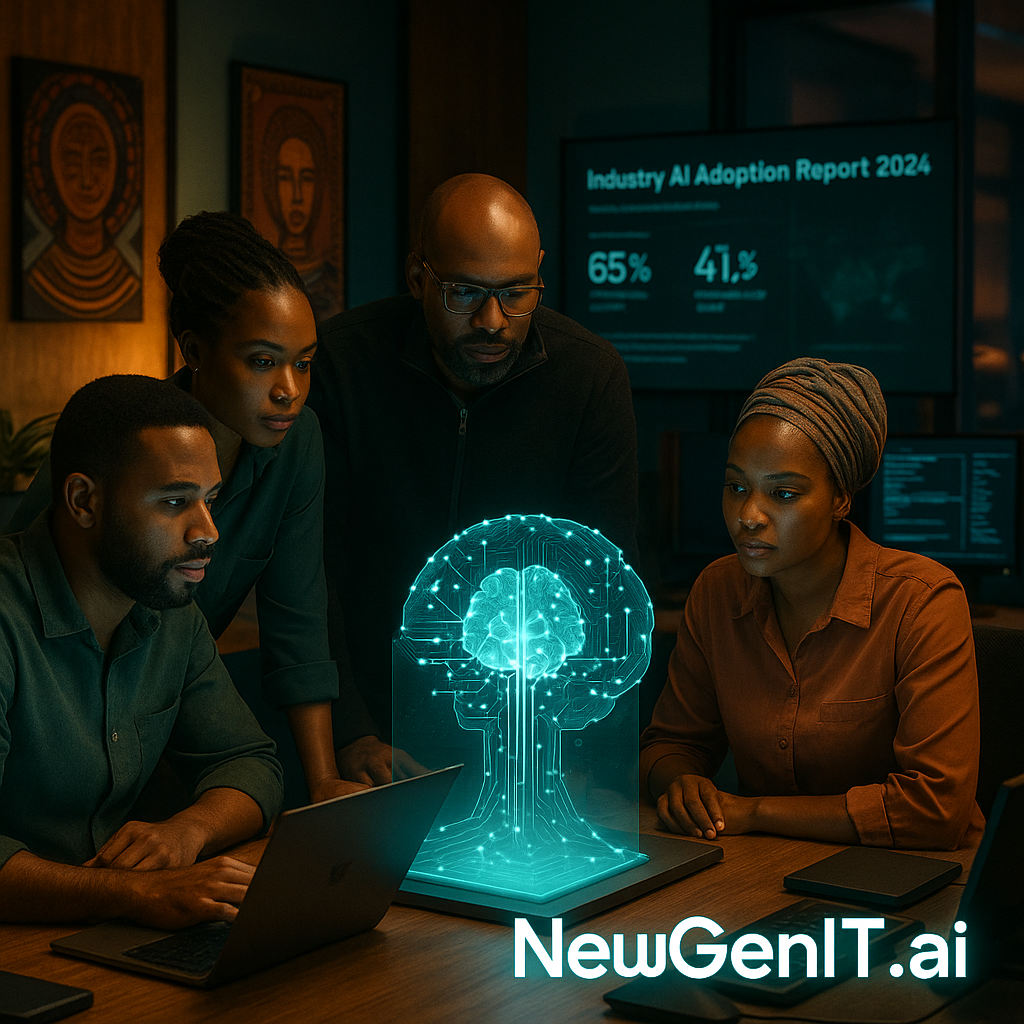
Evidence from recent studies like the Industry AI Adoption Report 2024 shows that businesses investing in internal AI capabilities are more adept at scaling AI solutions and report higher returns on investment. The report highlights that 65% of companies with embedded AI engineers realise productivity gains exceeding 20%, while only 41% of those relying on vendor tools achieve comparable outcomes.
In South Africa, where stakeholder expectations are increasingly stringent due to POPIA and demand for localisation, internal AI talent becomes a vital differentiator. A practical example includes financial institutions in Cape Town that have developed fraud detection algorithms in-house, tailored to local transaction patterns and regulations, achieving false positive reductions by up to 30%, reducing operational costs markedly.
Practical Steps for South African Businesses to Embed AI Engineers
- Assess Current AI Readiness: Evaluate existing AI initiatives and identify gaps where internal expertise is essential.
- Invest in Talent Development: Leverage local universities such as the University of Pretoria or Wits Johannesburg for graduate recruitment and ongoing upskilling.
- Create Cross-Functional Teams: Combine AI engineers with business analysts and sector experts to drive aligned innovation.
- Adopt Agile AI Practices: Use iterative development to adapt AI models quickly to changing environments like load-shedding schedules or regulatory updates.
- Partner with Local AI Firms: Collaborate with South African AI-focused consultancies like NewGenIT.ai to accelerate capability building and best practice adoption.
Conclusion: The Strategic Imperative for Embedded AI Talent
For South African businesses seeking to harness AI effectively, embedding dedicated AI engineers represents a strategic imperative, not a luxury. This approach ensures solutions are customised, compliant, resilient, and capable of evolving with unique local realities. Imported AI vendor tools, while useful as starting points, cannot match the depth of insight and adaptability required to thrive in South Africa’s dynamic markets.
As AI continues to redefine competitive landscapes in Durban, Johannesburg, Cape Town, and beyond, organisations that cultivate internal AI capabilities will not only maximise ROI but also unlock sustained innovation and growth.
Discussion
How is your organisation positioning itself regarding AI talent integration? Are you investing in embedded engineers, relying on vendor tools, or pursuing a hybrid approach? Share your experiences and perspectives on the benefits and challenges of each strategy in the South African context.