In the fast-paced evolution of artificial intelligence (AI) technology, South African businesses are at a critical juncture. The decision to integrate AI tools into operations holds the promise of increased efficiency, innovation, and competitiveness in the local and global markets. However, the prevalent approach of deploying imported AI vendor tools as a one-size-fits-all solution often misses the mark in addressing the unique challenges and opportunities presented by South Africa's dynamic business landscape. More than ever, embedding AI engineering talent within companies offers a strategic advantage that can make AI initiatives truly transformative.
The Limits of Imported AI Vendor Tools in South Africa
Many South African companies initially turn to globally available AI vendor tools seeking quick wins in automation, data insights, or customer engagement. These tools, often cloud-based and plug-and-play, promise rapid deployment and instant benefits. Yet, several limitations emerge when relying on such imported solutions:
- Lack of Local Context: AI models trained on international datasets may not reflect South African consumer behavior, language diversity, socioeconomic conditions, or industry practices, resulting in subpar performance.
- Regulatory Compliance Risks: South Africa’s Protection of Personal Information Act (POPIA) sets strict standards for data privacy and security. Vendor tools that do not embed local data management protocols risk non-compliance and costly penalties.
- Vendor Lock-in and Cost: Relying on imported tools creates dependency on foreign vendors’ pricing, update cycles, and roadmap decisions, often escalating costs when converted to South African rand.
- Connectivity and Infrastructure Challenges: Frequent load-shedding and inconsistent internet quality mean cloud-dependent AI tools can suffer availability and latency issues, affecting business continuity.
For example, an e-commerce company in Cape Town relying on an overseas AI recommendation engine may find the product suggestions mismatched with local tastes or vulnerable to data privacy breaches due to regulatory gaps.
Embedded AI Engineers: A Strategic Business Asset
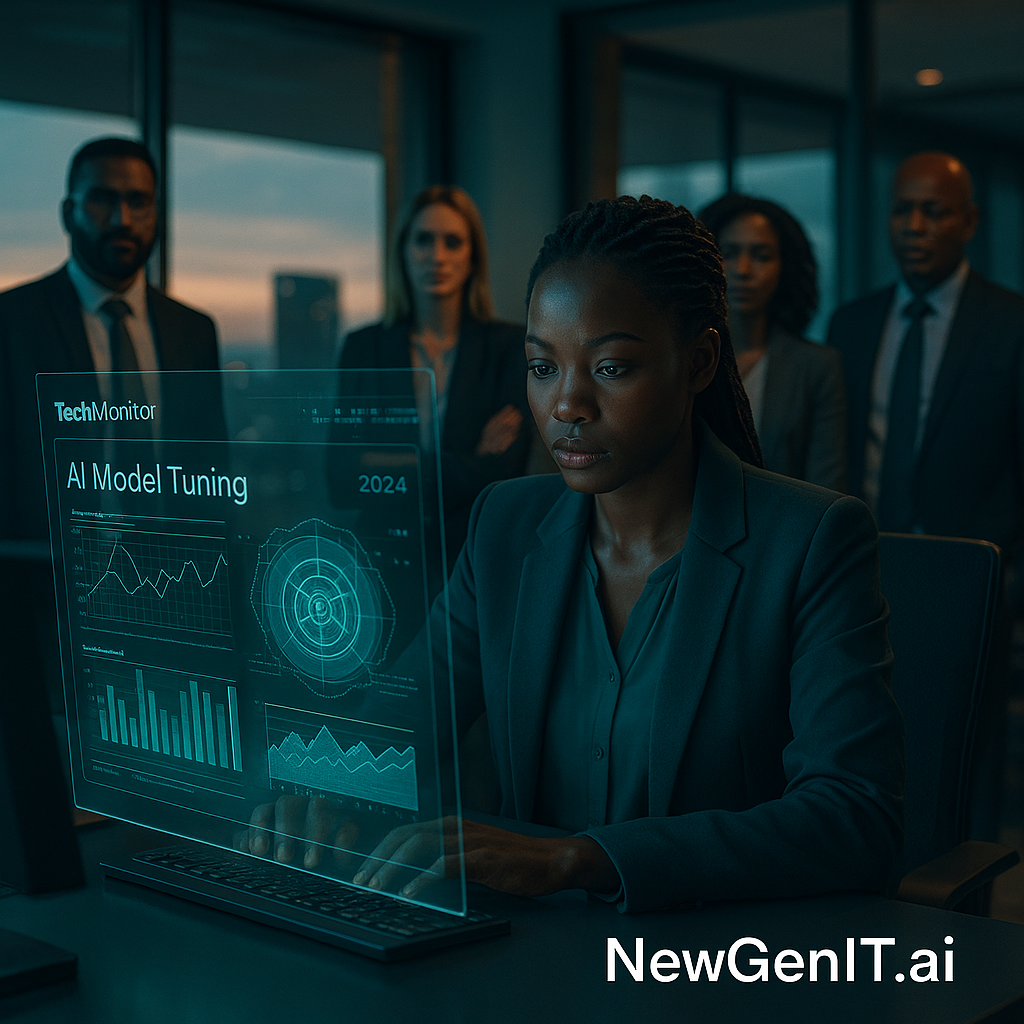
Embedded AI engineers are professionals integrated directly within a business's operational teams, often stationed locally in Johannesburg, Durban, or Cape Town. Their role extends beyond deployment, they build, customize, monitor, and continuously optimize AI models tailored specifically to the company's data, objectives, and South African market conditions.
Embedding AI engineering talent provides several strategic benefits:
- Contextual Understanding: Engineers with deep knowledge of local data sources, customer behavior, and regional economic fluctuations can create models that truly fit business needs.
- POPIA-Centric Design: Embedded engineers can ensure AI solutions are designed with data privacy and consent management protocols that align with South African laws from the outset.
- Faster Iteration and Adaptation: Proximity to decision-makers accelerates feedback loops, enabling real-time model tuning to reflect rapid changes such as fluctuating currency rates or shifting demand during load-shedding cycles.
- Cost Efficiency Over Time: Although initial hiring costs may seem higher, owning AI expertise reduces ongoing vendor fees and enables long-term control over AI intellectual property.
Consider a financial services firm in Sandton developing a credit risk AI model. Having embedded engineers allows continuous adaptation of credit scoring to reflect South Africa's evolving economic indicators, customer payment behaviors, and regulatory changes, something standardized vendor models can't offer adequately.
Addressing South African Market Realities with Embedded AI
South Africa’s unique economic and infrastructural environment demands AI solutions adapted to local realities.
- Load-Shedding and Power Stability: AI systems embedded on local edge servers or hybrid architectures minimize downtime impacts and improve reliability compared to purely cloud-based vendor tools.
- Multilingual and Cultural Nuances: Embedded engineers can train natural language processing (NLP) models to understand and respond accurately in South Africa’s 11 official languages and diverse dialects.
- Rand Volatility: AI-driven financial forecasting algorithms must accommodate rand-to-dollar exchange rate shifts, inflation, and commodity price fluctuations typical in South Africa.
- Compliance and Ethical AI: Engineers skilled in interpreting POPIA requirements ensure transparent AI data usage, mandatory user consent, and unbiased decision-making in sensitive sectors like healthcare and banking.
For example, a healthcare provider in Durban with embedded AI engineers can develop predictive health outcome models that consider local disease prevalence patterns, healthcare resource availability, and patient socioeconomic status, producing better patient care results while safeguarding data privacy.
The Role of Resellers in Promoting Embedded AI Engineering
South African technology resellers and system integrators are uniquely positioned to evolve from transactional vendors into strategic AI partners.
By championing embedded AI engineering, resellers can:
- Expand Service Offerings: Move beyond selling packaged tools to co-creating bespoke AI solutions aligned with client business goals.
- Build Long-Term Client Relationships: Engage clients continuously through AI model tuning, monitoring, and updating, fostering trust and recurring revenue streams.
- Educate Clients on Local AI Challenges: Help clients understand why imported tools often underperform, making a compelling case for internal AI expertise.
- Drive Local AI Talent Development: Support workforce upskilling initiatives and partnerships with South African universities and tech hubs to address the AI skills shortage.
For instance, a reseller in Cape Town partnering with local AI engineering talent can offer financial institutions tailored fraud detection systems that evolve with emerging threats and regulatory updates, far surpassing out-of-the-box vendor solutions.
Economic Implications: Costing and ROI of Embedded AI
One common barrier to embedding AI engineers is perceived cost. However, a detailed cost-benefit analysis reveals the true value:
- Initial Investment: Hiring a mid-level AI engineer in South Africa typically costs between ZAR 600,000 to ZAR 900,000 annually, including benefits. Compared to monthly vendor subscriptions often scaling with data volume, this can be competitive over 2, 3 years.
- Customization Savings: Avoiding costly misalignment with imported tools reduces wasted spend on ineffective licenses or underutilized capabilities.
- Improved Efficiency: Tailored AI applications can yield operational cost reductions from 20% to over 40%, especially in process automation, supply chain optimization, and customer support.
- Agility in Market Response: The ability to adapt AI models to sudden environmental changes (e.g., load-shedding schedules, exchange rate shifts) can protect revenue streams worth millions.
These figures emphasize that embedded AI engineering is not just an expense but a strategic investment with measurable returns.
Building a Roadmap for Embedded AI Success
South African firms eager to harness embedded AI engineering should consider the following practical steps:
- Audit AI Needs and Data Readiness: Understand specific operational challenges and data quality to prioritize AI projects.
- Partner with Local Talent Pools: Connect with universities in Johannesburg and Cape Town, AI incubators, and specialized training programs.
- Invest in Scalable Infrastructure: Establish hybrid cloud and edge computing resources that accommodate South Africa's power and connectivity realities.
- Ensure POIP-Compliant Data Governance: Develop policies and workflows that embed data privacy and ethical AI principles.
- Implement Agile AI Development Cycles: Foster continuous iteration, feedback incorporation, and collaboration between AI engineers and business stakeholders.
By following this roadmap, businesses can build resilient AI capabilities that provide competitive advantage in South Africa’s accelerated digital economy.
Conclusion: The Future is Embedded AI Engineering in South Africa
Imported AI vendor tools offer valuable starting points, but South African business leaders must recognize the limitations posed by generic solutions disconnected from the local context. Embedded AI engineers provide the critical expertise to build, tune, and evolve AI applications that meet regulatory requirements, reflect cultural nuances, and adapt to infrastructural realities.
For resellers and technology partners, facilitating this paradigm shift from transactional tool sales to embedded AI engineering services represents both an opportunity and a responsibility to support sustainable AI innovation across South Africa.
Discussion: How has the integration of embedded AI engineering versus imported AI tools impacted your organisation’s ability to innovate and comply with local regulations? Share your experiences or thoughts on building internal AI capabilities in the South African context.