As South African businesses accelerate their digital transformation journeys, driven by competitive pressures and evolving market demands, AI technologies have moved front and center. Yet many Chief Information Security Officers (CISOs) and IT leaders are discovering that traditional AI agency models often fail to deliver tangible, secure, and embedded solutions that withstand the realities of the South African business environment. In this context, Forward Deployed AI Engineering (FDAIE) offers a substantial alternative, one which aligns AI innovation with enterprise risk, security, and operational realities.
The Conventional AI Agency Model: The Latent Risks
In the typical AI agency model, external consultants build AI algorithms and hand over finished models to the organisation’s IT or data teams. At first glance, this seems efficient, outsource the AI work to specialists and integrate the output. However, this approach often leads to critical disconnects:
- Lack of Deep Business Understanding: The AI models may capture patterns from data but often miss subtle business nuances in industries such as financial services in Sandton or retail in Durban, resulting in less effective solutions.
- Security Vulnerabilities: Models are often developed without full integration into the enterprise’s security framework, increasing risk exposure especially under South Africa's stringent Protection of Personal Information Act (POPIA) compliance requirements.
- Limited Knowledge Transfer: Since AI engineers operate outside the business, internal teams rarely gain sufficient expertise to sustain or scale AI systems independently.
- Poor Infrastructure Integration: Many models fail to synchronize with legacy infrastructure or existing data governance frameworks, common in South African companies dealing with dated systems and intermittent network issues exacerbated by load-shedding.
These gaps cause delays in AI adoption, increased operational risks, and potential data breaches, all high stakes for South African enterprises operating in highly competitive and regulated sectors.
Introducing Forward Deployed AI Engineering (FDAIE)
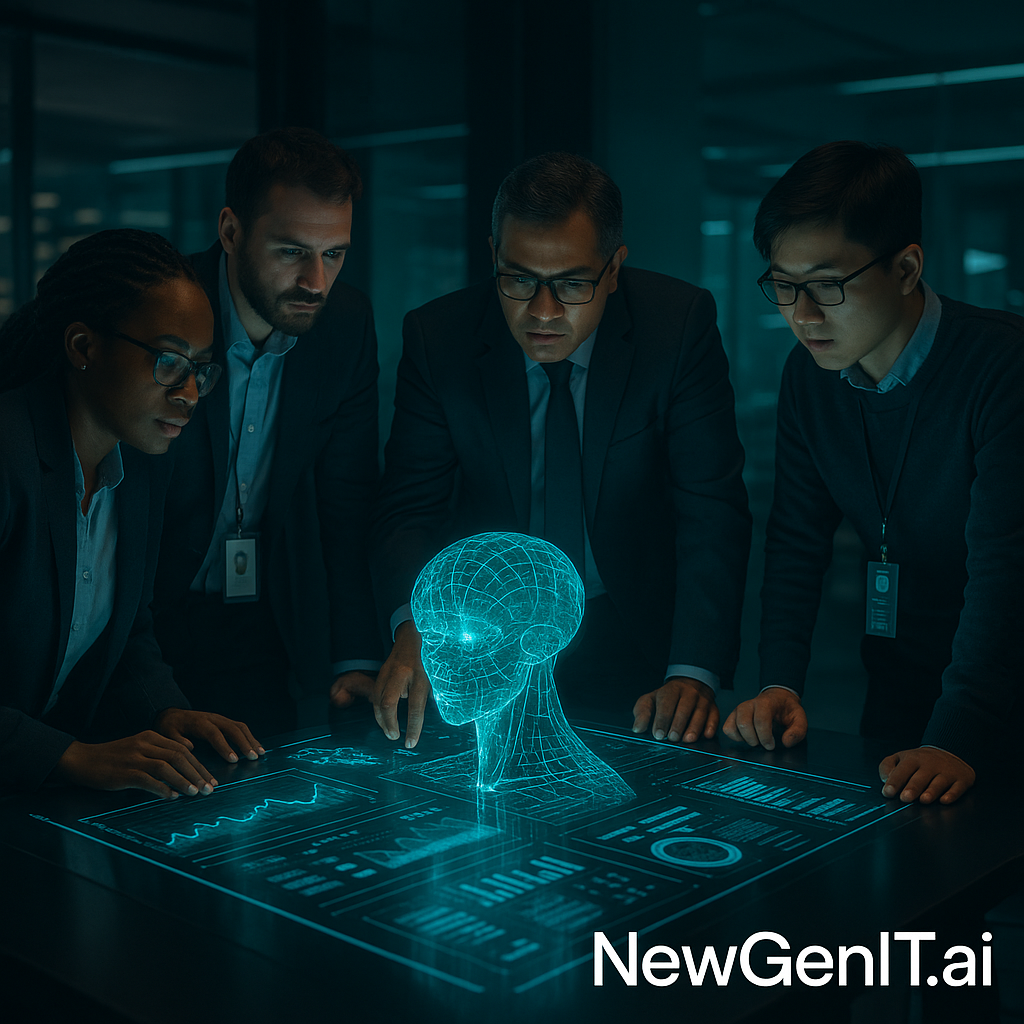
Forward Deployed AI Engineering redefines how AI technical talent interacts with client organizations. Instead of staying on the sidelines as external developers, AI engineers become embedded within the client’s operations, whether on-site in Johannesburg’s financial district or remotely collaborating from Cape Town, working directly with internal stakeholders.
This model enables AI teams to:
- Gain Contextual Business Insight: By working alongside product owners, operations, and security teams, AI engineers develop a thorough understanding of unique business challenges.
- Build Security-First AI Solutions: FDAIE teams integrate POPIA and cybersecurity requirements from the ground up, addressing both data privacy and threat management proactively.
- Facilitate Real-Time Collaboration: Integration with IT, DevOps, and cybersecurity teams streamlines deployment pipelines and reduces friction.
- Ensure Scalable, Sustainable AI Systems: By upskilling internal staff through hands-on knowledge transfer and documentation, enterprises gain autonomy over AI capabilities.
Why South African CISOs Should Prioritize FDAIE
CISOs in South Africa face a dual mandate: promoting innovation while upholding rigorous security standards. This is especially demanding within sectors such as banking, insurance, and telecommunications, all heavily regulated and subject to POPIA compliance.
FDAIE strengthens the CISO’s position by embedding security considerations within AI development:
- Security Embedded, Not Retro-fitted: AI models are architected with security controls and governance aligned with the enterprise’s policies.
- Mitigation of Third-Party Risks: With FDAIE, AI engineers become an extension of the internal team, reducing risks commonly associated with external vendor solutions that access sensitive data.
- Continuous Risk Monitoring: Embedded AI engineers collaborate with cybersecurity teams to implement real-time monitoring and rapid incident response preparation.
- Compliance Aligned Deployment: Systems are designed to adhere to South African legislative frameworks such as POPIA, FICA, and industry-specific regulations from the outset.
This cooperative approach directly addresses security failures seen in the usual AI agency model, where solutions can be disconnected from enterprise standards, causing vulnerabilities or compliance breaches.
FDAIE Success Stories from South African Enterprises
Consider a mid-sized fintech firm in Sandton grappling with the integration of AI-powered fraud detection while contending with strict POPIA data privacy standards. By partnering with forward deployed AI engineers, the firm accomplished:
- Deployment of a custom AI fraud detection model integrated directly into their transaction processing systems with built-in data encryption and access controls.
- Shared governance between their compliance officers and AI engineers to ensure continuous regulatory alignment.
- Reduction in fraud-related losses by 30% within six months, ultimately saving approximately R4 million in potential revenue loss.
Another example is a Cape Town-based retail company using FDAIE to enhance supply chain analytics, overcoming hardware limitations compounded by load-shedding outages. AI engineers optimized models to run on hybrid cloud infrastructure with on-premise fallback, ensuring operational resilience.
Practical Considerations for Implementing FDAIE in South Africa
While FDAIE holds significant advantages, South African organisations must address several key implementation factors:
- Talent Acquisition: Recruiting AI engineers with an understanding of both advanced machine learning techniques and local business contexts is vital, given the finite pool of AI specialists in South Africa.
- Cost Implications: Embedding AI engineers onsite or within dedicated teams requires thoughtful budgeting. However, the long-term gains from enhanced security and faster ROI on AI deployments justify initial investments, especially for enterprises facing costly compliance penalties.
- Infrastructure and Connectivity: Organisations must ensure reliable IT infrastructure that supports real-time collaboration, mitigating disruptions caused by power outages or connectivity blackouts prevalent in many regions.
- Clear Governance Frameworks: Defining roles, responsibilities, and security protocols upfront between AI engineers and enterprise teams prevents overlap and fosters accountability.
Scaling AI in South Africa with Confidence
The South African market challenges, POPIA compliance, infrastructure constraints due to load-shedding, tight cybersecurity requirements, and diverse business environments from Durban’s logistical hubs to Johannesburg’s financial institutions, require more than off-the-shelf AI solutions. Forward Deployed AI Engineering provides a customised, strategic approach that bridges the gap between AI innovation and secure enterprise adoption.
By embedding dedicated AI engineering talent within client teams, South African enterprises gain trusted partners who understand the minutiae of both AI technology and local operational realities. The result is accelerated, secure AI deployments that unlock real business value while safeguarding data privacy and enterprise resilience.
Conclusion: Rethinking AI Partnerships
For CISOs and IT leaders, the shift to Forward Deployed AI Engineering is not just a technical change but a strategic imperative. Traditional agency models fail to deliver secure, integrated AI systems that align with South Africa’s business and regulatory context. FDAIE offers a proactive, embedded approach that addresses these shortcomings and empowers organisations to innovate with confidence.
As AI continues to transform South Africa’s enterprise landscape, the question remains:
How is your organisation approaching the integration of AI and security? Are you positioned to leverage forward deployed AI engineering to bridge the gap between innovation and enterprise resilience?
We invite IT leaders, CISOs, and business decision-makers to share their experiences and perspectives on this critical intersection of AI technology and enterprise security.