In today's fast-evolving cybersecurity landscape, South African IT leaders, engineers, and business decision-makers face unparalleled challenges. From persistent cyber threats and compliance mandates like POPIA (Protection of Personal Information Act) to operational hurdles such as load-shedding affecting data centres, the demand for advanced, adaptable AI solutions has never been higher. Traditional AI agency models that develop solutions remotely and deliver static products are increasingly unable to meet these dynamic needs effectively. This gap is where Forward Deployed AI Engineering (FDAI) transforms outcomes by embedding AI experts directly within client environments, enabling rapid, tailored, and continuous AI solution development.
Understanding Forward Deployed AI Engineering (FDAI)
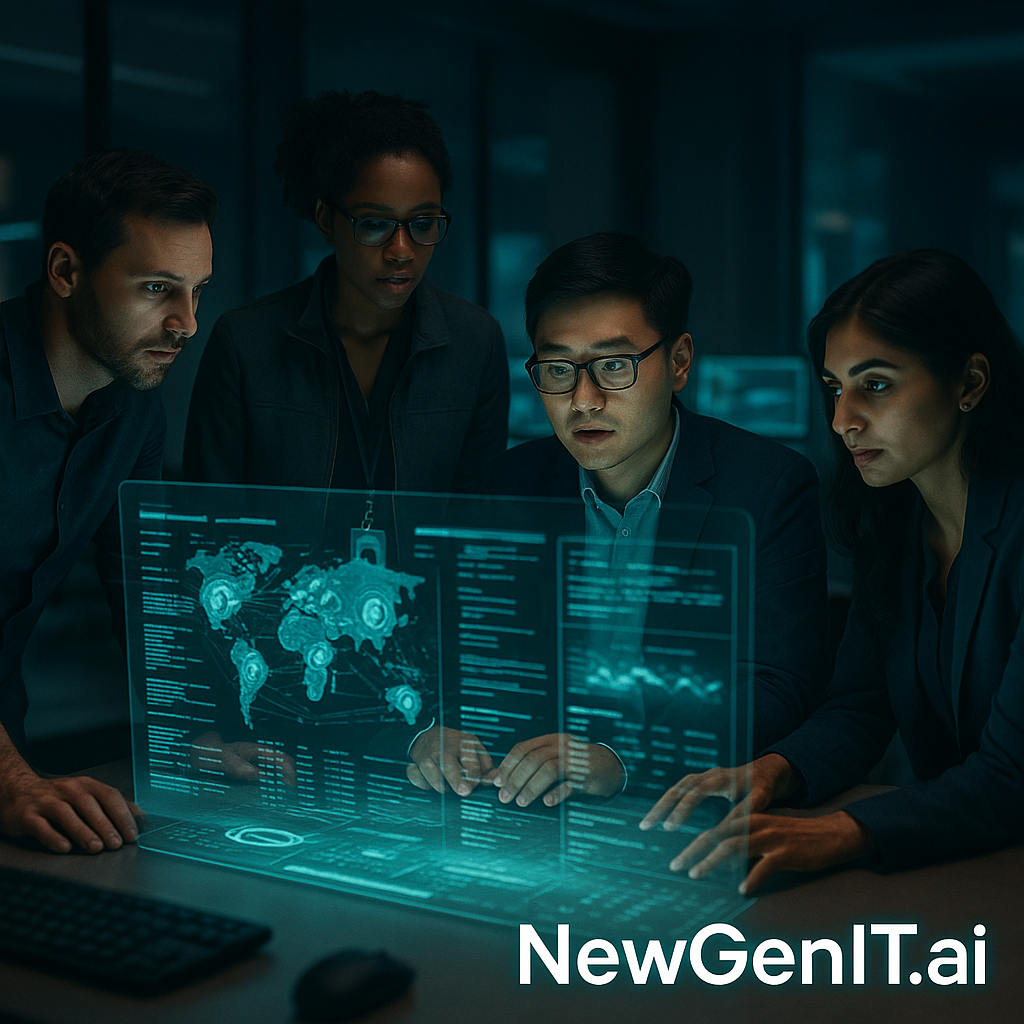
FDAI is a hands-on approach where AI engineers are placed within client teams to co-develop, deploy, and refine AI capabilities in real-time. Unlike the traditional model, which often functions as a vendor-client relationship with minimal ongoing interaction post-deployment, FDAI operates as an embedded, collaborative partnership. It involves close integration with security operations centres (SOCs), development teams, and business units to ensure AI tools respond dynamically to emerging threats and evolving organisational priorities.
In the South African context, where enterprises are juggling localised challenges like capped IT budgets, inconsistent electricity supply due to load-shedding, and strict data privacy regulations under POPIA, the ability to iteratively adjust AI models on-site ensures tangible, context-aware security improvements.
Why Traditional AI Agency Models Often Fail in South Africa
The conventional AI agency model typically involves remote teams building AI solutions based on initial requirements and delivering a product within a defined timeline. While this might work in controlled, stable environments, the reality for South African businesses is far from stable.
- Lack of Contextual Understanding: Without being immersed in the client's environment, critical nuances such as specific network architectures, user behaviours, and local threat patterns are often overlooked, diminishing AI efficacy.
- Delayed Feedback and Iteration: Remote teams struggle to receive immediate, accurate feedback on AI performance, causing delays in addressing false positives, missed threats, or model drift.
- Infrastructure Hiccups: Frequent load-shedding and limited uptime in certain regions (e.g., smaller cities outside Sandton or Cape Town) mean AI solutions need to handle intermittent connectivity or power outages, something traditional agencies rarely account for.
- Compliance Risks: South African companies must ensure POPIA compliance in data handling, one-size-fits-all AI solutions might inadvertently violate these regulations.
- Cost Inefficiency: Expensive fixed contracts for static AI solutions can burden IT budgets already stretched by economic challenges and currency fluctuations of the rand.
How FDAI Addresses South Africa’s Unique Cybersecurity Challenges
FDAI offers significant advantages tailored to the South African commercial and regulatory landscape by:
- Embedding AI Expertise On-site or Virtually: Having engineers embedded within teams in financial hubs like Sandton or tech centres in Cape Town enhances collaborative problem-solving and rapid mitigation.
- Adaptive Model Training and Updates: Localised threat intelligence, incorporating cybercrime trends specific to South Africa, can be directly integrated and adjusted as needed without waiting for long development cycles.
- Proactive Load-Shedding Contingency Planning: AI models designed to gracefully handle interruptions, preserving data integrity and ensuring minimal operational disruption.
- POPIA Compliance Built-in: With embedded experts familiar with local data privacy requirements, AI deployments adhere more closely to legal mandates, reducing risk exposure and potential penalties.
- Cost Efficiency Through Agile Engagement: FDAI teams can prioritize mission-critical AI enhancements, avoiding unnecessary features and focusing budgets on impactful outcomes.
The Measurable Impact of Forward Deployed AI Engineering
Recent industry reports and client feedback highlight that organisations adopting FDAI experience:
- Faster Deployment Cycles: Typical AI model deployment timelines reduce by up to 40% due to continuous, real-time collaboration.
- Improved Threat Detection Rates: Embedded AI teams allow for immediate tuning of detection parameters, increasing true positive rates by approximately 25%, a critical factor for South African financial institutions combating cyber fraud.
- Reduced Mean Time to Response (MTTR): With AI engineers on hand, incident response speeds improve significantly, sometimes cutting MTTR by over 30%, ensuring quicker containment.
- Enhanced Compliance Assurance: Continual legal oversight embedded in the development process minimizes compliance risks with POPIA and other relevant legislation.
- Better Resource Allocation: South African organisations reported up to 20% savings in operational costs by focusing AI investment on bespoke solutions that meet real needs rather than generalized tools.
Case Study: FDAI Success in a South African Financial Institution
One top-tier bank based in Johannesburg faced escalating cyber threats amidst intermittent load-shedding power disruptions. By partnering with a Forward Deployed AI Engineering team, the bank embedded AI experts within its SOC. The team worked directly with client data analysts and incident responders, tailoring AI models to local traffic patterns and power outage schedules. Within six months, the bank recorded a 30% reduction in false alarms and a 35% improvement in threat mitigation time. Moreover, thanks to POPIA-aligned data handling practices implemented on the ground, the bank avoided penalties and reinforced customer trust.
Practical Takeaways for South African IT Leaders
- Evaluate Current AI Engagement Models: Consider whether your existing AI vendors offer embedded collaboration and agile responsiveness or adhere to rigid, remote delivery frameworks.
- Align AI Efforts with Compliance Needs: Ensure AI engineers understand POPIA and other legislative requirements from day one.
- Plan for Infrastructure Realities: Build AI resilience for load-shedding and limited bandwidth, particularly for clients outside urban centres like Durban or Cape Town.
- Measure Impact Continually: Implement KPIs around deployment speed, threat detection accuracy, MTTR, and compliance adherence to assess AI’s real-world value.
- Foster Long-Term Partnerships: Forward Deployed AI Engineering demands close integration, so seek vendors willing to invest in sustained collaboration rather than one-off projects.
Looking Ahead: The Future of AI in South African Cybersecurity
As cyber threats evolve in complexity and South Africa’s digital economy expands, the need for advanced, adaptive AI security solutions becomes critical. Forward Deployed AI Engineering is well positioned to lead this transformation by ensuring AI is not just technology but an embedded strategic partner within organisations. This approach enables faster innovations, better risk management, and stronger compliance, all crucial for thriving in South Africa’s challenging market environment.
Are you actively exploring ways to integrate AI more effectively in your cybersecurity operations? What challenges have you encountered with traditional AI models, and how do you see Forward Deployed AI Engineering changing the game? Share your experiences and insights below.
NewGenIT.ai continues to pioneer FDAI solutions tailored for South African enterprises, helping you stay one step ahead in cybersecurity.