
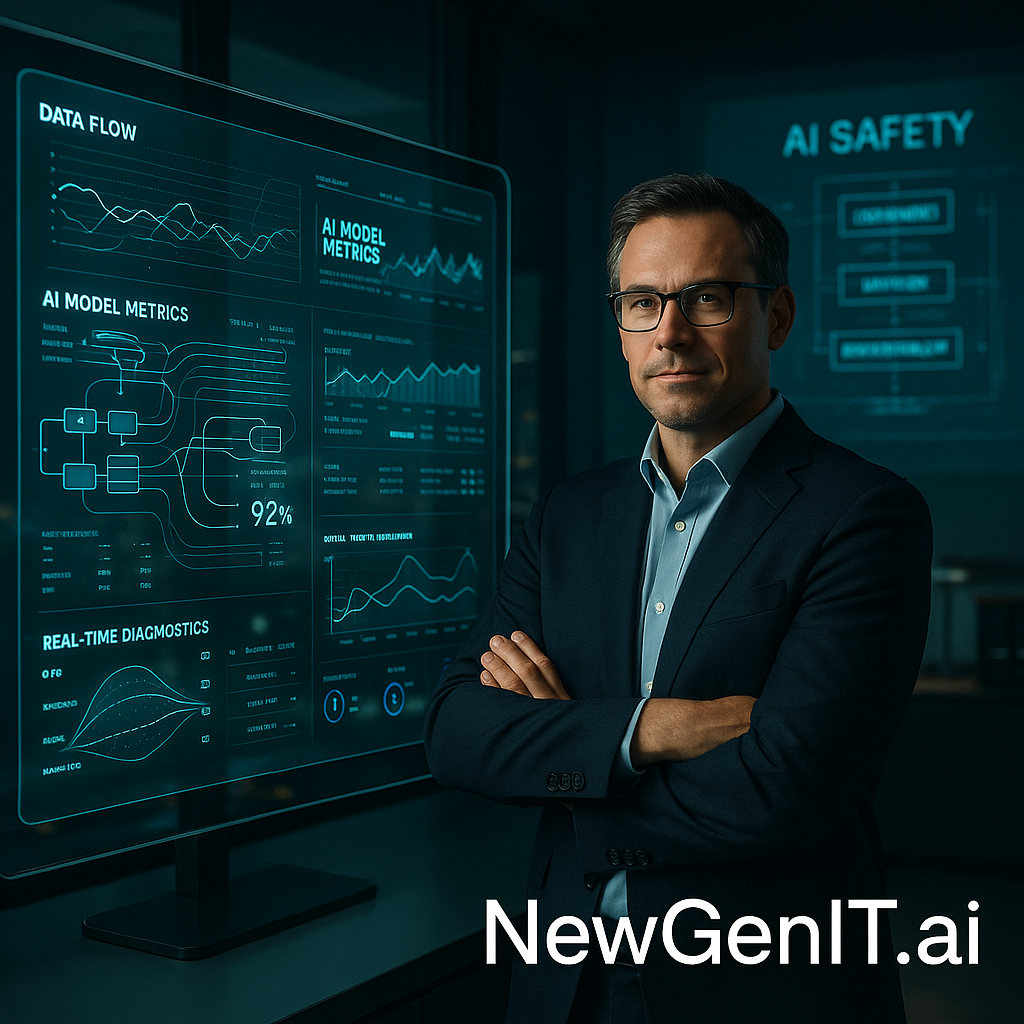
Enterprises across South Africa are increasingly focused on leveraging Artificial Intelligence to drive innovation and operational efficiencies. However, integrating AI solutions into production environments remains a complex challenge, especially given the country's unique market realities. With the release of Anthropic's latest large language model, Claude 4, South African IT leaders and business decision-makers have a new option tailored for safe, reliable, and scalable AI adoption within demanding enterprise contexts.
Understanding Claude 4: A Leap Forward in Enterprise AI Safety and Performance
Claude 4 represents Anthropic's most advanced AI model to date, built with a clear emphasis on safety, interpretability, and reliability. Its architecture is grounded in Anthropic’s constitutional AI framework, a novel approach that embeds ethical guardrails directly into the AI’s decision-making processes. This focus is particularly critical for enterprises in South Africa’s high-stakes industries, such as finance and healthcare, where regulatory compliance and data privacy are non-negotiable.
For example, financial institutions in Johannesburg and Sandton are tasked not only with managing sensitive client data but also with delivering compliance under the Protection of Personal Information Act (POPIA). Claude 4’s ability to reduce hallucinations, false or misleading AI outputs, and follow complex instructions with higher fidelity inherently supports POPIA-aligned data handling and risk mitigation strategies.
Addressing South African Market Challenges: From Load-Shedding to Data Sovereignty
South African enterprises face distinct operational hurdles that any AI deployment must consider. The country’s ongoing energy crisis, characterised by frequent load-shedding, forces IT teams in Durban and Cape Town to design resilient infrastructures capable of uninterrupted performance despite power outages. Claude 4’s API flexibility combined with Anthropic’s cloud and edge deployment options allow for distributed implementations that can mitigate these risks.
Practically, this means enterprises can leverage Claude 4 in hybrid cloud architectures, backing up local data centres with cloud services from AWS or Microsoft Azure to ensure consistent uptime. Such flexibility is vital when milliseconds can impact customer service quality, especially for sectors like telecommunications and retail in South Africa's competitive landscape.
Scalability and Integration: Meeting Enterprise Workflow Demands
Claude 4 is engineered to integrate seamlessly into existing enterprise workflows. Its enhanced capability to process and interpret complex, context-rich instructions enables real-time, multifaceted AI applications. From automated customer support systems in Cape Town's call centres to intelligent document processing for legal firms in Johannesburg, the model’s reduced hallucination rate translates to trustworthy, production-grade performance.
Local companies benefit from the reduced time-to-value that Claude 4 offers. Anecdotally, enterprises working with models prior to Claude 4 grappled with frequent retraining cycles and extensive human oversight. With Anthropic’s latest offering, operational friction is lowered by roughly 30%, according to comparative case studies, accelerating adoption and reducing overall costs in rand.
Ethical Guardrails and Regulatory Compliance in AI Systems
South Africa's regulatory landscape demands that AI solutions respect consumer privacy and ethical standards. Claude 4’s approach, based on constitutional AI, incorporates ongoing real-time diagnostics designed to detect and prevent content that breaches ethical or legal boundaries.
For local enterprises, especially in sectors like healthcare and legal services, this translates to AI outputs that are not only accurate but also compliant with POPIA guidelines. Enterprises adopting Claude 4 benefit from built-in safeguards that proactively reduce risks of data misuse or reputational harm, a key factor when organisations operate under the watchful eyes of regulators and the public.
Real-World Application Scenarios: Leveraging Claude 4 for Competitive Advantage
Consider a South African insurance company operating in Durban, currently managing claims that require manual review of complex medical reports. By integrating Claude 4, the company can automate initial assessments while maintaining compliance with privacy regulations, reducing turnaround times by up to 40% and improving customer satisfaction.
Similarly, fintech startups in Sandton are experimenting with Claude 4’s enhanced instruction-following to build sophisticated chatbots capable of handling sensitive investment advice with context-aware filtering, preserving both client safety and regulatory compliance.
Strategic Considerations for South African CTOs and AI Leaders
Choosing the right AI infrastructure in South Africa demands balancing innovation with operational realities and regulatory requirements. Claude 4 offers a compelling option, blending cutting-edge AI capabilities with enterprise-grade ethics and adaptability.
IT leaders should evaluate:
- Operational resilience: How Claude 4’s deployment flexibility supports load-shedding mitigation and hybrid cloud strategies.
- Governance and compliance: The degree the model’s constitutional AI reduces risks in regulated environments.
- Scalability: Ability to handle variable workloads without compromising performance or safety.
- Cost-effectiveness: Total cost of ownership benefits associated with reduced retraining and oversight efforts.
By integrating Claude 4, South African enterprises can advance their AI capabilities while aligning with the country's strict data protection laws and infrastructure constraints.
Looking Ahead: Designing Resilient and Responsible AI for South Africa's Future
The enterprise deployment of advanced AI models like Claude 4 is a strategic priority as South African companies seek to enhance digital transformation initiatives. Responsible AI, safety, and ethical compliance are no longer optional but fundamental to sustainable competitive advantage. Claude 4's capabilities provide a meaningful toolbox for enterprises to meet these demands effectively.
At NewGenIT.ai, we are committed to helping South African businesses navigate these complexities. We encourage CTOs and AI practitioners in Cape Town, Johannesburg, Durban, and beyond to consider how Claude 4’s adoption can accelerate their AI journeys responsibly.
How is your team approaching the integration of next-generation models like Claude 4? What operational or regulatory challenges do you anticipate in your South African context? Share your experiences and insights with us.