In South Africa's fast-evolving business landscape, driven by digital transformation and AI innovation, the promise of AI is undeniable. From Sandton’s financial hubs to Durban’s growing tech ecosystem and Cape Town’s startup culture, organisations are investing heavily in AI to gain competitive advantage. Yet despite substantial investments , sometimes running into millions of rand , many AI projects stumble or outright fail after the initial handover, leaving teams frustrated and ROI unrealised.
This challenge is especially critical for sales leaders and business decision-makers, where AI-driven insights can fuel business growth, customer retention, and operational efficiencies. But what causes these AI implementations to falter, and what can South African organisations do differently to ensure long-term success?
Common Causes of AI Implementation Failures Post-Handover
AI project failures after deployment are often not about technology limitations but rather about organisational readiness and continuous support. Common pitfalls include:
- Insufficient Training: Teams receive a finished AI product but lack deep understanding of how to operate or customise it. This leads to underutilisation.
- Poor Change Management: Integrating AI into existing workflows without careful planning creates resistance and confusion among users.
- Lack of Ongoing Support: Without real-time help, users struggle to adapt AI tools to evolving market needs or data changes.
- Overlooking Local Market Realities: Many AI solutions are designed without factoring in South Africa’s unique challenges such as load-shedding disruptions, POPIA compliance, and variable connectivity.
Consider a sales organisation in Johannesburg deploying an AI-driven customer segmentation tool worth over R2 million. Post-handover, the sales teams were given minimal training and no continuous guidance. The result? Less than 30% adoption within the first six months, leading to poor utilisation and lost potential revenue.
Introducing Full Deployment Enablement (FDE): More Than Just Delivery
Full Deployment Enablement (FDE) extends beyond delivering AI technology , it ensures your team gains ownership, agility, and confidence in using AI insights consistently over time.
FDE encompasses:
- Continuous Training: Tailored, role-specific learning paths that enable teams to understand not just ‘how’ but ‘why’ to use AI tools.
- Customised Adoption Strategies: Change management plans aligned to organisational culture and workflows, considering factors like time zone differences between Cape Town and Durban offices.
- Real-Time, Ongoing Support: Access to experts who can troubleshoot, iterate, and evolve AI models as business needs change.
South African firms have unique operational hurdles such as handling intermittent power outages or ensuring full compliance with POPIA’s data privacy regulations. FDE delivery models are designed with these realities in mind, including contingency training during load-shedding periods and ensuring all AI data handling processes satisfy local legal requirements.
Quantifying the Impact: Why Invest in FDE?
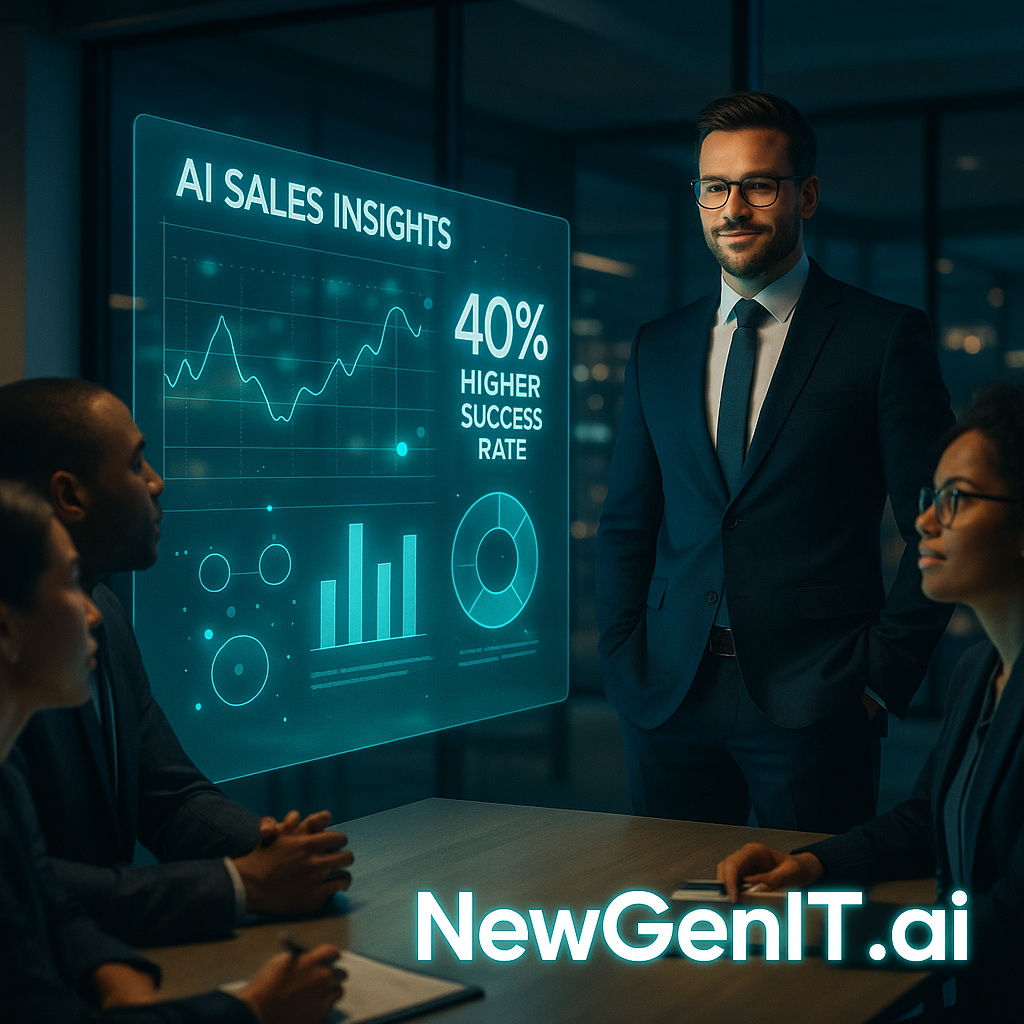
Studies show that organisations investing in structured enablement during AI deployments see at least a 40% higher long-term adoption and success rate (McKinsey, 2023). Here’s why:
- Higher User Confidence: Well-trained teams use AI tools more effectively, leading to faster decision-making and improved sales outcomes.
- Reduced Business Disruption: Change is managed proactively, minimising workflow interruptions or resistance that can stall value realisation.
- Scalable AI Usage: Continuous support enables AI models to adapt as the business environment shifts, protecting investments over time.
For example, a Durban-based enterprise using FDE for their AI-powered lead scoring reported a 50% reduction in sales cycle time within nine months, along with higher conversion rates and more predictable revenue streams , a critical edge in a competitive, cost-sensitive market.
FDE Implementation Best Practices in the South African Context
Successful FDE integration requires deliberate planning:
- Stakeholder Alignment: Engage sales leaders, IT teams, compliance officers, and end users from the beginning to build shared ownership.
- Flexible Training Delivery: Use a blend of digital learning, live sessions, and on-the-job coaching, factoring in challenges like scheduled load-shedding or bandwidth limits in rural offices.
- Compliance & Security Awareness: Embed POPIA training alongside AI tool adoption to ensure data privacy is maintained without compromising efficiency.
- Local Partnerships: Work with local tech firms or AI specialists, such as NewGenIT.ai, who understand both AI technology and South African business dynamics.
Practical Takeaways for South African IT Leaders & Decision-Makers
- Budget for Enablement: Allocate at least 20-30% of your AI project budget towards continuous training and support to avoid costly underutilisation.
- Embed FDE Early: Plan Full Deployment Enablement alongside AI development, not as an afterthought post-handover.
- Measure Adoption Metrics: Track KPIs such as login frequency, feature usage, and feedback from sales teams regularly to identify barriers early.
- Adapt to Local Conditions: Use insights from your local market environment to tailor training and support , whether that means offline materials to overcome connectivity issues or tailored sessions during load-shedding windows.
Conclusion: From AI Delivery to AI Impact
In South Africa’s digitally competitive and regulated environment, handing over an AI system is only the beginning , not the end , of the journey. Traditional project delivery models that treat AI handover as a final step risk wasting millions of rands in unrealised potential.
Full Deployment Enablement offers a proven pathway to sustained AI adoption, empowering your sales teams and business units to leverage insights continuously for measurable gains.
By embracing FDE principles, South African organisations can mitigate change management risks, boost user empowerment, and future-proof AI investments against the unique challenges of our market.
Discussion
What has been your experience with AI adoption in your sales or business teams? Have you encountered post-handover hurdles, and how have you addressed them? Share your insights and strategies to help foster a stronger AI culture across South Africa's business landscape.