In South Africa's rapidly shifting digital landscape, artificial intelligence (AI) has become a vital tool for organisations striving to stay competitive. Companies in Sandton, Cape Town, and Durban increasingly invest millions of rand into AI initiatives aimed at optimising sales processes, customer insights, and operational efficiencies. However, a surprising number of these projects fail to deliver lasting value after the initial implementation phase. This challenge is especially critical given the local market's constraints, from unstable power supply due to load-shedding to compliance with POPIA regulations, where wasted investment can have outsized consequences.
Understanding Why AI Implementations Fail Post-Handover
When AI projects are developed, they often benefit from expert teams guiding their deployment, training users, and optimising models. Yet, the true test comes after the implementation team exits the scene. South African organisations frequently encounter several pitfalls during this handover:
- Lack of Ongoing Ownership: Without dedicated internal stakeholders or teams taking continuous responsibility, AI solutions start to degrade quickly. The disconnect between the technical build team and business users creates a void in management and accountability.
- Insufficient Training for End-Users: Complex AI tools need consistent training beyond go-live dates. In many cases, sales teams in markets such as Johannesburg struggle to adopt new AI-driven workflows amid urgent sales targets and daily pressures.
- Absence of Continuous Monitoring and Optimisation: AI models require regular tuning to reflect changes in customer behaviour, market conditions, and regulatory updates, such as POPIA’s evolving mandates on data handling. Neglecting this leads to declining accuracy and eroded trust.
Combined, these factors cause the AI initiative's performance to stall, leading to inconsistent outputs that undermine organisational confidence and slow digital transformation momentum.
Full-Deck Engagement (FDE): The Answer to Sustainable AI Success
Full-Deck Engagement (FDE) represents an evolved approach to AI deployment that addresses these common failure points head-on. Instead of a traditional project handoff after delivery, FDE fosters a continuous partnership and embedded support throughout the AI lifecycle.
Key characteristics of FDE include:
- Thorough, Ongoing Knowledge Transfer: From Sandton boardrooms to Durban sales floors, FDE ensures that internal teams receive tailored, iterative training that aligns with evolving business contexts.
- Comprehensive End-User Training and Enablement: FDE includes real-world use case scenarios and hands-on workshops specifically designed for sales teams. This bridges the gap between AI’s technical complexity and the daily realities of frontline staff.
- Real-Time AI Performance Monitoring: Continuous tracking tools identify performance bottlenecks or model drift early. These insights allow proactive recalibration and maintain accuracy despite local challenges like fluctuating internet connectivity or data latency issues common in remote parts of South Africa.
- Adaptation to Business Changes: The South African economy experiences rapid shifts, influenced by both local factors and global trends. FDE teams remain agile, revising AI algorithms to keep pace with new regulations, competitor movements, or sales campaigns.
Why South African Sales Leaders Should Prioritise FDE
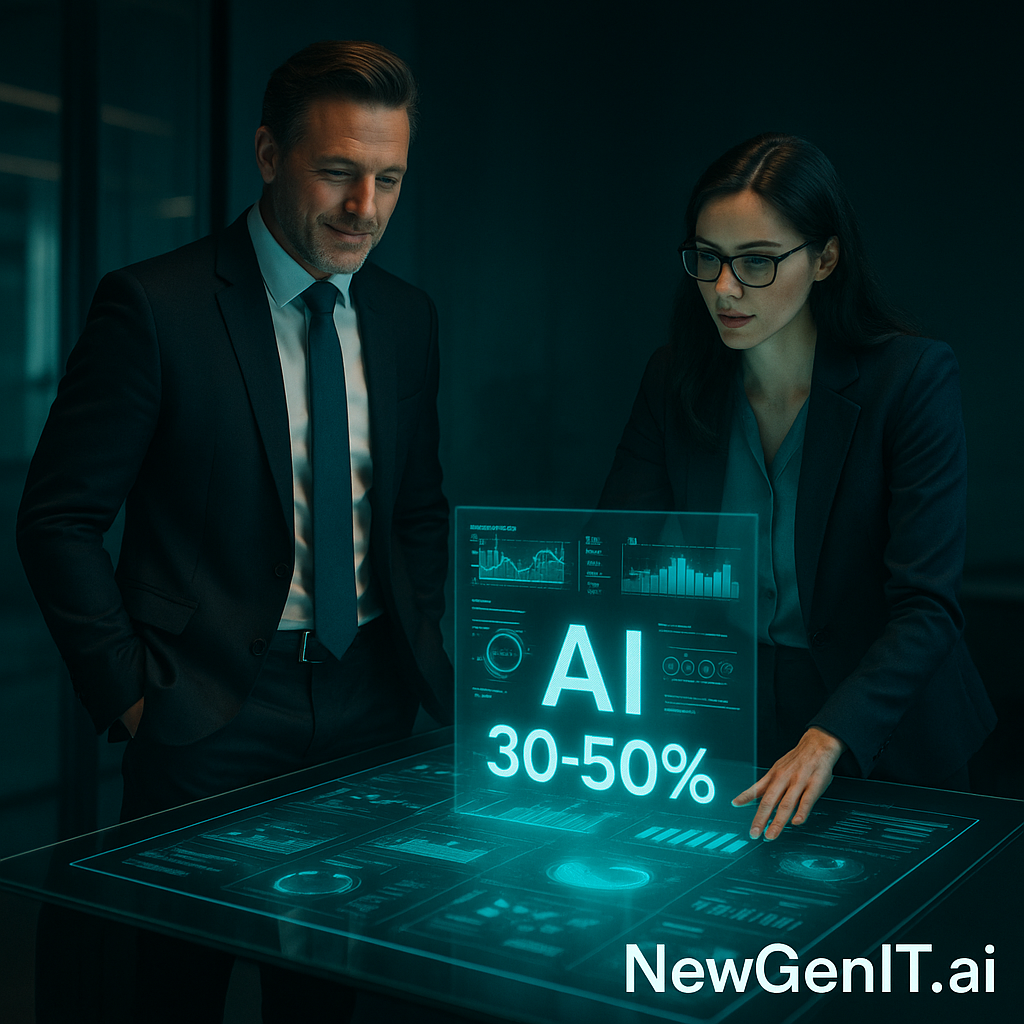
Research from TechResearch Insights highlights that organisations adopting FDE experience a 30-50% higher success rate in AI adoption post-deployment, a crucial statistic for sales leaders aiming to maximise ROI. For sales teams spread across diverse African markets and operating under tight margins affected by rand volatility, FDE delivers tangible benefits:
- Smoother Transition: Mitigates the friction often seen when new technologies disrupt established sales processes.
- Higher User Confidence: Regular training and support empower sales reps to use AI tools effectively, increasing adoption rates from typical averages of 40-50% to upwards of 80%.
- Continuous Insights Driving Revenue Growth: Real-time analytics enable sales leaders to identify upselling opportunities and customer trends earlier, boosting deal closure rates by 10-15%.
For example, a Cape Town-based fintech company investing R10 million in an AI-driven lead scoring platform saw initial gains, only to experience sharp declines post-handover. Applying FDE principles, NewGenIT.ai embedded a dedicated support team who provided weekly model updates and user workshops. Within six months, the client’s lead conversion rates improved by 35%, validating the approach.
Addressing Local Challenges with an FDE Approach
South African organisations face unique hurdles that exacerbate AI implementation risks. Notably:
- Load-Shedding Impact: Interruptions in electricity, and by extension, internet connectivity, disrupt data flows needed for AI systems to function optimally. FDE incorporates contingency plans and asynchronous data updating processes to ensure resilience.
- Compliance with POPIA: Maintaining strict data privacy and protection standards requires constant vigilance. FDE embedded teams work closely with legal and compliance officers, ensuring AI models and workflows are audit-ready and ethically sound.
- Diverse Market Conditions: South Africa’s varied socio-economic landscape means AI solutions must adapt to regional nuances. FDE’s continuous engagement allows model recalibration based on regional data variances in Cape Town versus Soweto or surrounding rural areas.
Practical Takeaways for IT Leaders and Business Decision-Makers
South African IT executives and business leaders can apply the following practical steps when embarking on AI projects with a view toward lasting impact:
- Embed Continuous Ownership: Establish a cross-functional AI governance team responsible for ongoing monitoring and optimisation.
- Invest in Training Beyond Go-Live: Budget for phased user training programs that include periodic refreshers and hands-on sessions.
- Implement Real-Time Performance Dashboards: Use automated tools that provide visibility into model health and user adoption metrics.
- Partner With Vendors Offering FDE: Choose AI solution providers like NewGenIT.ai that commit to ongoing engagement rather than a one-time delivery.
Conclusion: Rethinking AI Success Through Full-Deck Engagement
For South African enterprises looking to harness AI's full potential, moving beyond the traditional project handoff model is essential. Full-Deck Engagement provides a blueprint for embedding sustainable AI success, one that acknowledges local realities such as load-shedding pressures, regulatory requirements like POPIA, and dynamic market conditions. Sales leaders and IT managers must advocate for continuous support, training, and optimisation to safeguard AI investments and contribute to meaningful revenue growth.
By adopting FDE, South African organisations unlock not just short-term wins but build resilient AI capabilities that evolve with their business needs.
How has your team managed AI handovers in your organisation? What strategies have you found effective to maintain AI momentum after initial deployment? We invite you to share your experiences and insights.