In South Africa’s fiercely competitive insurance sector, the pursuit of superior customer experience (CX) is no longer just desirable but essential for survival. With increasing consumer expectations, heightened regulatory demands under POPIA, and the disruptive effects of local challenges like load-shedding, insurers must rethink traditional claims processing and customer engagement. Fully Digital Engagement (FDE), empowered by artificial intelligence (AI), is emerging as a game-changer in this transformation. Embedding AI capabilities into FDE frameworks enhances claims triage, documentation, and client interactions , unlocking efficiencies, reducing errors, and elevating customer satisfaction.
The South African Insurance Landscape: Challenges and Opportunities
South Africa’s insurance market, centred around financial hubs such as Sandton, Cape Town, and Durban, is marked by rapid digitalisation yet faces distinctive hurdles. Load-shedding intermittently disrupts both insurer operations and client interactions, demanding resilient and adaptive digital infrastructure. Additionally, the Protection of Personal Information Act (POPIA) requires stringent data privacy and security compliance, shaping how insurer IT systems manage and process sensitive client data.
Operationally, insurers process thousands of claims monthly, with larger players managing upwards of 100,000 annual claims. Manual handling of such volumes often leads to extended turnaround times, increased human error, and reduced transparency , harming customer trust. FDE powered by AI can tackle these challenges head-on by automating and optimising key workflows.
AI-Driven Triage: Prioritising Claims with Precision
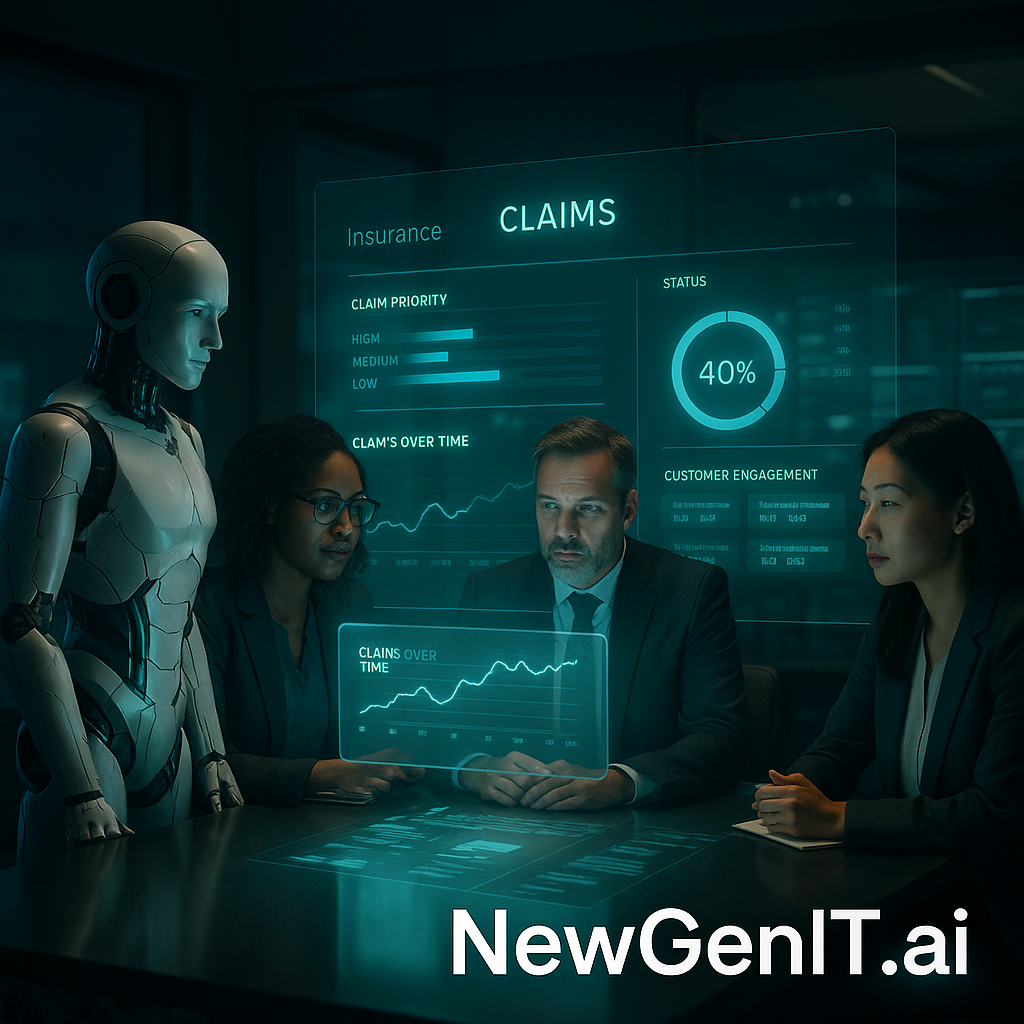
Claims triage is the frontline in the claims management lifecycle, determining which cases require urgent attention. AI algorithms analyse incoming claims data , including images, text, and prior history , to classify and prioritise claims faster than human teams ever could. For example, an AI system can automatically flag high-value motor accident claims or potential fraudulent submissions for immediate specialist review.
In a South African context, where insurers can receive several thousand claims during seasonal events (e.g., extreme weather or vehicle theft surges), AI-driven triage can reduce initial assessment times from several days to mere minutes. This speed not only improves operational efficiency but also empowers insurers to meet stringent POPIA timelines for data handling and response.
Automating Documentation: Accuracy and Speed in Claims Processing
Documentation errors and missing information are significant bottlenecks in claims resolution. AI-enhanced automation tools capture, verify, and organise claim documents , including scanned forms, photos of damaged goods, and police reports , with minimal human intervention. Natural Language Processing (NLP) can extract relevant data points while machine vision inspects images for damage severity.
In practice, insurers in Cape Town and Johannesburg can reduce claims processing times by up to 40% by incorporating AI-based documentation platforms into their workflows. This acceleration corresponds to tangible cost savings; for instance, a medium-sized insurer dealing with 10,000 claims annually might save R5 million by cutting manual processing hours and reducing errors that lead to rework.
Moreover, AI systems inherently build digital audit trails, ensuring compliance with POPIA’s accountability and transparency requirements, thus reducing regulatory risk.
Personalising Client Engagement in a Digital World
AI's impact extends beyond back-office streamlining into the client-facing experience. AI-infused client operations provide hyper-personalised communication, delivering timely updates and proactive support tailored to individual customer needs. Chatbots powered by AI are available 24/7 to answer queries frequently asked about claims status, policy information, or payout scheduling.
For South African clients juggling daily uncertainties like load-shedding, mobile-first AI engagement channels prove critical. For example, a major insurer in Durban uses AI-driven SMS and WhatsApp bots to keep clients informed even when power or internet connectivity fluctuates. These tools help minimise frustration and build trust, crucial in retaining customers in an increasingly competitive environment.
Driving Operational Efficiency and Building Trust
McKinsey & Company highlights that AI-embedded Fully Digital Engagement not only enhances operational efficiency by reducing claim handling time by 30-50% but also improves transparency , a critical factor in customer loyalty. In South Africa, where past negative perceptions have sometimes dented insurer reputations, AI can help rebuild trust by providing consistent, transparent, and fast claim outcomes.
Financially, leveraging AI in FDE equips insurers to handle claims peaks without proportionally increasing staffing costs. This scalability is essential amid economic pressures such as inflation and currency volatility affecting South African Rand-based operating budgets.
Practical Steps for South African Insurers to Embrace AI-Embedded FDE
- Assess Infrastructure Resilience: Ensure cloud and on-premises systems can handle AI workloads and have contingencies for load-shedding.
- Focus on Data Compliance: Implement AI tools with POPIA-ready data encryption, consent management, and audit trail functionalities.
- Pilot AI-Powered Triage Systems: Start with high-volume claim types to optimise triage accuracy before scaling.
- Automate Documentation Processes: Deploy AI for document capture and analysis to eliminate manual bottlenecks.
- Enhance Client Communication Channels: Integrate AI chatbots and personalised messaging platforms to improve CX even during power or network disruptions.
- Train Staff for AI Collaboration: Develop capability within claims and CX teams to manage AI tools effectively and interpret insights.
Conclusion and Call to Discussion
Fully Digital Engagement powered by AI presents a compelling opportunity for South African insurers to transform their claims management and client engagement. Far from replacing human insight, AI acts as a force multiplier , enabling teams in Sandton, Cape Town, Durban, and beyond to deliver faster, smarter, and more empathetic service experiences despite local challenges such as load-shedding and regulatory demands.
Embracing AI-embedded FDE not only streamlines workflows and cuts operational costs but also enhances transparency and compliance with POPIA, ultimately driving customer trust and loyalty. As the South African insurance sector continues to evolve, forward-looking organisations will lead by harnessing these innovative technologies.
How is your organisation currently leveraging AI in claim triage and client engagement? What obstacles or successes have you experienced adapting Fully Digital Engagement innovations to the unique South African market realities? We welcome your insights and discussion.