The South African insurance industry is at a pivotal crossroads. With increasing competition, heightened customer expectations, and more stringent regulations such as the Protection of Personal Information Act (POPIA), insurance providers must rethink how they handle claims and client operations. In an era marked by frequent load-shedding and economic pressures on consumers, delivering a seamless, efficient, and personalized experience is no longer optional, it is essential.
Full-Digital Experience (FDE) platforms embedded with Artificial Intelligence (AI) are ushering in a new age for insurers across South Africa, enabling smarter claims triage, automated document processing, and highly personalized client engagement. This post explores why AI-driven FDE is an indispensable evolution for South African insurers seeking operational excellence and customer trust.
Understanding Full-Digital Experience (FDE) and AI Integration
FDE platforms provide end-to-end digital solutions that cover every aspect of the insurance claims process, from initial client contact through to claim resolution. When combined with AI technologies such as natural language processing (NLP), machine learning, and predictive analytics, FDE is transformed into a proactive tool that significantly reduces manual overheads and accelerates processing timelines.
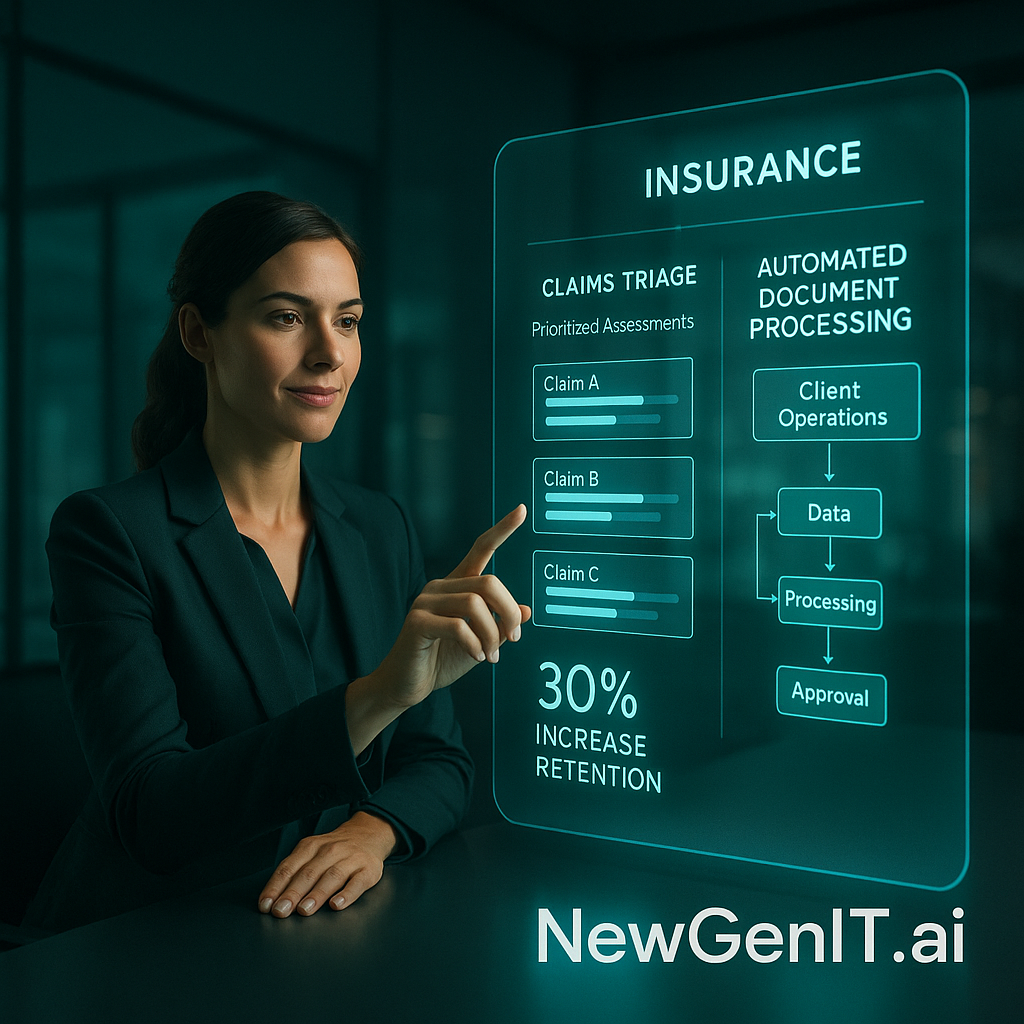
AI helps insurers triage claims by quickly assessing risk factors and urgency, flagging fraud, and automating routine documentation tasks. By integrating AI within the full claims lifecycle, insurers reduce human error, increase accuracy, and deliver faster outcomes, which directly impacts profitability and client satisfaction.
The South African Context: Challenges and Opportunities
South African insurers contend with unique local challenges that make AI-embedded FDE platforms especially valuable:
- Load-Shedding Impact: With regular power outages disrupting operations nationwide, including in major hubs like Sandton, Cape Town, and Durban, the ability to operate fully digitally and asynchronously is critical. Cloud-based FDE solutions ensure business continuity and overcome network disruptions by enabling remote claim submissions and processing.
- POPIA Compliance: Handling sensitive client data requires strict adherence to POPIA. AI-driven platforms incorporate sophisticated data governance and security measures, ensuring compliance and reducing legal risk. Automated audit trails and encryption guard client privacy throughout the claims workflow.
- Cost Sensitivity: The South African rand remains volatile, squeezing insurer margins and limiting discretionary spending. AI-powered automation can reduce claims operating costs by up to 25-40%, according to industry benchmarks, freeing capital for strategic growth.
- Customer Experience Expectations: South African consumers increasingly expect real-time updates and personalised services from insurance providers, aligned with what they experience in banking and telecom sectors. AI can enable proactive client communication, anticipating needs and reducing frustration.
AI-Driven Claims Triage: Prioritizing Smart Decision-Making
One of the core benefits of integrating AI into FDE platforms is intelligent claims triage. Instead of first-in, first-out processing, AI models analyse claims data, damage descriptions, photos, historical records, to prioritize urgent cases. For instance, claims with high injury risks or fraudulent indicators receive immediate escalation, improving risk management and customer outcomes.
In a South African insurer, this could translate into reducing claims processing time from an average of 10 days to under 5 days. It also provides more accurate reserves calculations, lowering unexpected costs. Given the scale of claims during peak events such as drought-impacted fire damage or vehicle accidents during national holidays, efficient triage optimizes scarce human resources.
Automated Document Processing: Minimizing Errors, Maximizing Speed
Claims processing generates huge volumes of paperwork, forms, policy documents, receipts, police reports, and medical certificates. Traditionally, manual data entry presents error risks and slows down processing. AI-powered NLP technologies extract key data points automatically and validate them against policy terms and regulatory requirements.
This level of automation has proven to reduce document processing times by up to 50% in a South African insurance pilot project in Durban, also reducing claims leakage caused by human error. The platform can seamlessly handle isiZulu, Afrikaans, and English documents, accommodating South Africa’s linguistic diversity.
Enhancing Client Operations with AI for Personalization and Real-Time Insights
Client operations benefit immensely from AI-enabled FDE platforms. Chatbots and virtual assistants provide 24/7 claims support, available even during load-shedding periods on mobile devices. AI analyses client behaviour and claim history to tailor communications, whether through SMS, WhatsApp, or email, improving engagement and trust.
Real-time dashboards integrated with AI insights empower claims managers to monitor progress and identify bottlenecks or fraud faster. For example, offices in Cape Town and Johannesburg can share centralized data seamlessly, ensuring consistent standards and speedy resolution.
Operational and Financial Benefits for South African Insurers
Insurers adopting AI-embedded FDE systems report a tangible uptick in performance metrics. These benefits are critical in South Africa’s current economic landscape:
- Customer Retention: Reports indicate up to a 30% increase in retention due to faster claims resolutions and transparent communication.
- Cost Savings: Automated workflows reduce claims administration costs by up to 35%, saving millions of rand annually for mid-sized insurers.
- Fraud Reduction: AI detects suspicious patterns early, potentially saving insurers hundreds of millions in reclaimed payouts.
- Staff Productivity: Freeing staff from repetitive tasks allows focus on complex claims and client relations, improving morale and service quality.
Practical Steps for South African Insurers to Embrace AI-Embedded FDE
Getting started with AI-embedded FDE requires strategic planning:
- Assess Current Processes: Identify manual bottlenecks and data silos in claims workflows that AI can improve.
- Vendor Selection: Choose technology partners with local experience and platforms compliant with POPIA and relevant financial sector regulations.
- Data Quality and Security: Invest in improving data integrity and implementing robust cybersecurity controls to harness AI capabilities effectively.
- Employee Training: Equip teams with skills to interpret AI insights and manage hybrid workflows involving AI automation.
- Continuous Monitoring: Use AI analytics to track KPIs post-deployment and iterate processes for continuous improvement.
For example, an insurer operating in Durban and Sandton could pilot AI-embedded triage on motor claims, consolidating data from multiple agents, and extend successful practices to other lines such as home insurance.
Conclusion: The Future of Insuring South Africa
AI-embedded Full-Digital Experience platforms are not just a technological upgrade; they are a strategic imperative for South African insurance providers seeking to thrive in a complex market. By improving claims triage speed, automating documentation, and enabling personalized client interactions, insurers can markedly differentiate their service while ensuring compliance and operational resilience.
With realistic implementation and commitment, insurers stand to transform challenges such as load-shedding, data privacy regulations, and cost pressures into competitive advantages.
Discussion: How is your organisation currently leveraging AI and digital platforms to enhance claims processing and client experience? What specific challenges and successes have you encountered in the South African market?