HIPAA Compliance in Health Care
AI not only detects threats in real-time but also learns from new patterns, adapting swiftly to emerging cyber risks. This proactive defense is critical in environments where patient care and research data must remain secure to ensure trust and compliance with regulations such as HIPAA
11/13/20251 min read
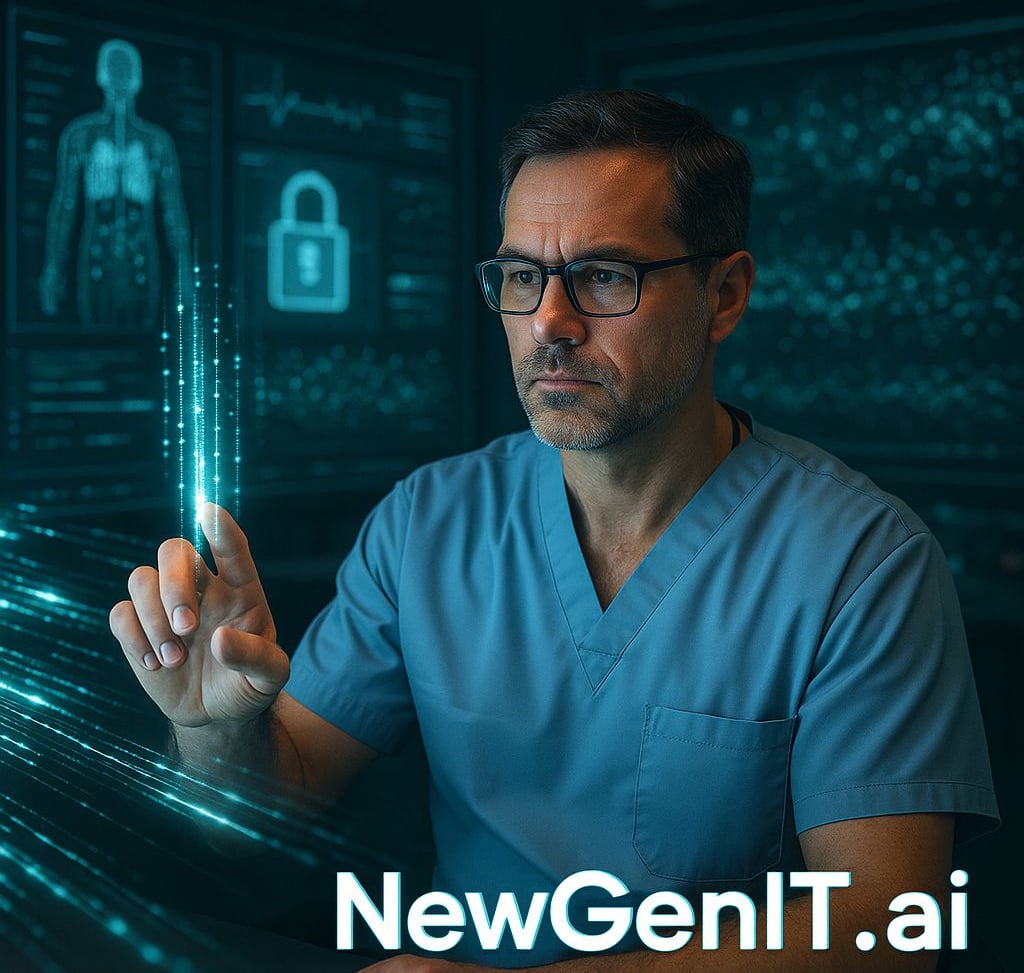
In today's healthcare landscape, the integration of AI in cybersecurity threat detection is transforming how we safeguard sensitive medical data and protect patient privacy. AI-driven systems can analyze vast amounts of network traffic and identify potential cyber threats faster and more accurately than traditional methods. For healthcare professionals and medical researchers, this means enhanced protection against ransomware attacks, data breaches, and unauthorized access to confidential information.
AI not only detects threats in real-time but also learns from new patterns, adapting swiftly to emerging cyber risks. This proactive defense is critical in environments where patient care and research data must remain secure to ensure trust and compliance with regulations such as HIPAA.
By leveraging AI in cybersecurity, healthcare organizations can minimize downtime, reduce financial losses, and maintain the integrity of their vital operations, ultimately supporting better patient outcomes.
What are your thoughts on the role of AI in strengthening cybersecurity within healthcare? How is your organization adapting to these technological advancements?
Innovate
Transforming businesses with AI-driven automation solutions.
Consult
NewGenIt.ai © 2025. All rights reserved.