
Customer behavior, inventory management
Computer Vision technology is transforming retail analytics by enabling granular insights into customer behavior, inventory management, and store operations with real-time accuracy. For cybersecurity experts and IT professionals, understanding these advancements is crucial as they intersect with data privacy, infrastructure security, and integration challenges.
11/13/20251 min read
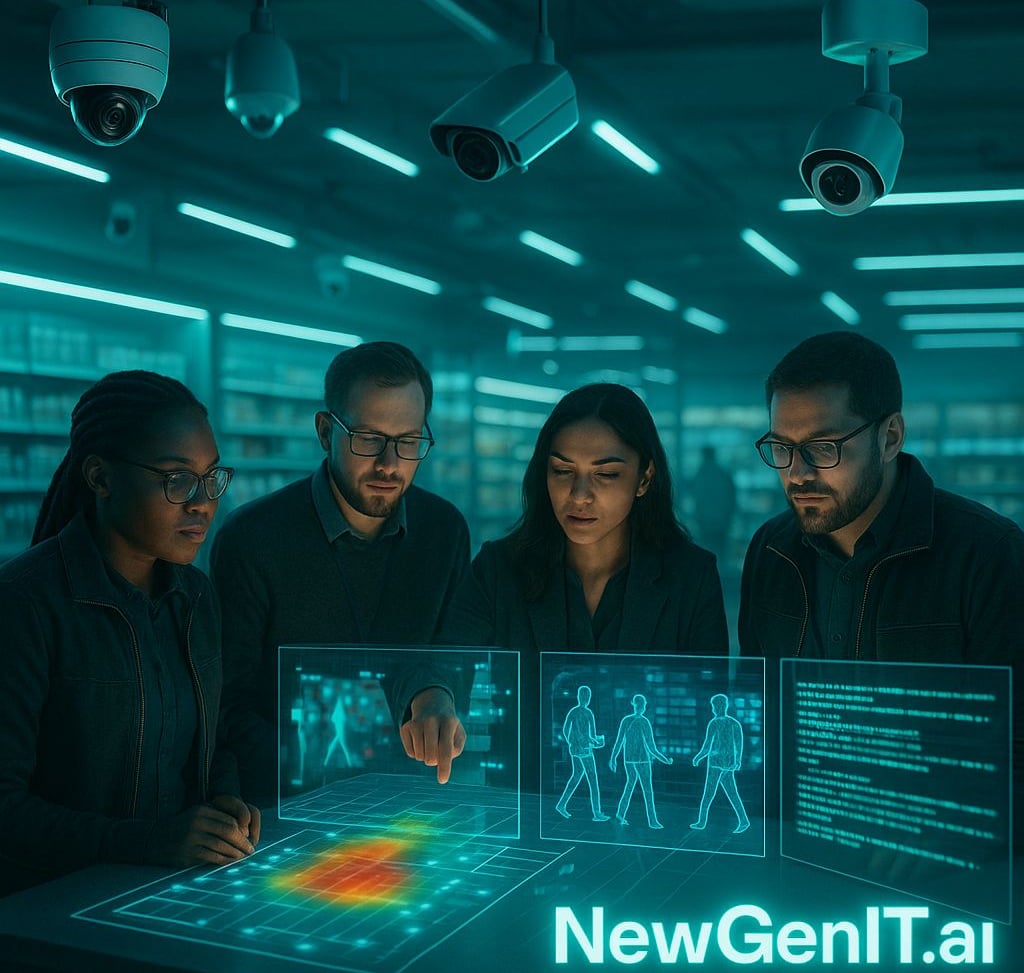
Computer Vision technology is transforming retail analytics by enabling granular insights into customer behavior, inventory management, and store operations with real-time accuracy. For cybersecurity experts and IT professionals, understanding these advancements is crucial as they intersect with data privacy, infrastructure security, and integration challenges.
Computer Vision systems in retail use AI-powered cameras and sensors to track shopper movement, product interactions, and checkout processes without relying solely on traditional POS data. This enhances predictive analytics for demand forecasting and optimizes staffing and store layouts for better customer experiences.
However, integrating Computer Vision infrastructures demands robust cybersecurity frameworks. Protecting sensitive visual data from breaches and adhering to privacy regulations is non-negotiable. IT teams must prioritize encrypted data transmission, access controls, and continuous monitoring to secure these systems.
The future of retail analytics through Computer Vision offers exciting opportunities for business growth and operational efficiency but also calls for heightened vigilance in cybersecurity strategy.
How is your organization addressing the security and implementation challenges of Computer Vision in retail? Let’s discuss!
Innovate
Transforming businesses with AI-driven automation solutions.
Consult
NewGenIt.ai © 2025. All rights reserved.